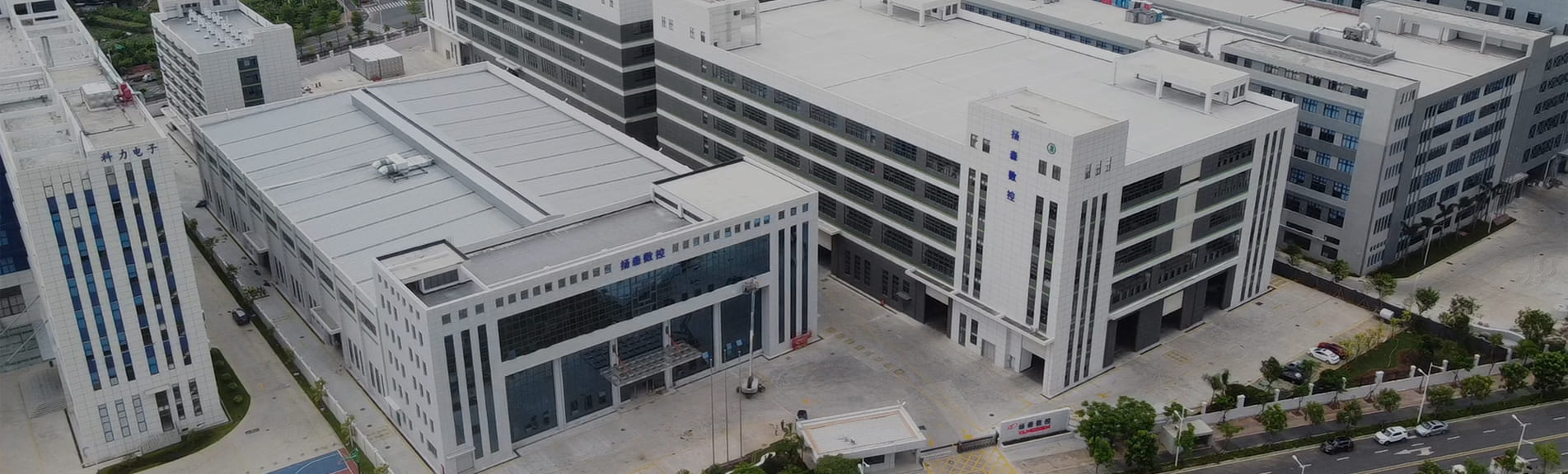
Le guidage est l'un des composants les plus importants d'un tour CNC, car il influe directement sur la précision d'usinage, la stabilité de coupe et la durée de vie de la machine. Pourtant, de nombreux acheteurs se concentrent sur la vitesse de broche ou les systèmes de commande, négligeant ainsi cet élément crucial.
Quelle est donc la différence entre les guidages par caisson, les guidages linéaires à billes et les guidages à rouleaux ? Et surtout, lequel est le mieux adapté à vos besoins d'usinage ?
Dans ce guide, vous découvrirez les principaux types de voies de guidage utilisées dans tours CNC, leurs avantages, leurs limites et comment choisir celui qui convient le mieux à votre application.
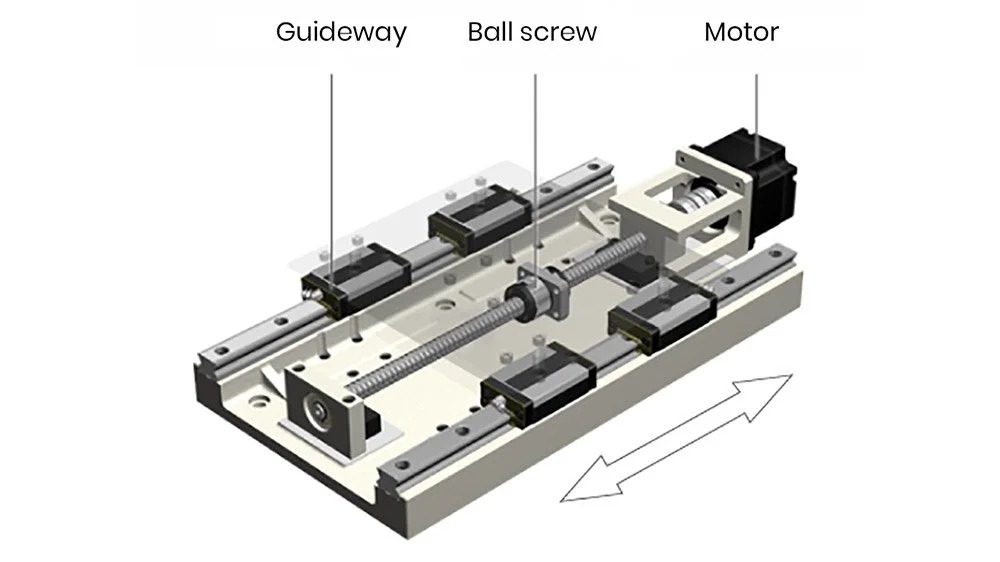
Les glissières sont les rails de précision qui guident le mouvement des axes X et Z d'un tour à commande numérique. Elles assurent un déplacement fluide et précis de l'outil de coupe tout en supportant la machine face aux forces de coupe. Un système de glissières de haute qualité contribue à maintenir la précision de positionnement, à réduire les vibrations et à garantir un usinage stable sur de longues périodes.
Les performances d'un tour CNC dépendent fortement de ses guidages. Un guidage adapté améliore la précision d'usinage, la qualité de surface et la stabilité lors de la coupe. Il influe également sur la vitesse d'usinage, la durée de vie des outils et la fiabilité à long terme de la machine. Qu'il s'agisse d'ébaucher de grandes pièces en acier ou de réaliser la finition de composants de précision, le guidage joue un rôle essentiel pour obtenir des résultats constants.
Les glissières des tours CNC ne sont pas toutes conçues pour le même usage. Certaines sont pensées pour supporter des charges de coupe importantes avec une rigidité maximale, tandis que d'autres privilégient la vitesse et la précision. Comprendre les avantages et les limites de chaque type vous aidera à choisir une machine adaptée à vos besoins de production.
glissières caissonnées, également appelées glissières coulissantesCes machines présentent de larges surfaces de contact glissant entre les composants mobiles et fixes. Cette conception leur confère une excellente rigidité et un amortissement optimal des vibrations, ce qui en fait le choix idéal pour les opérations de tournage intensives.
Avantages :
Limites:
Meilleures applications :
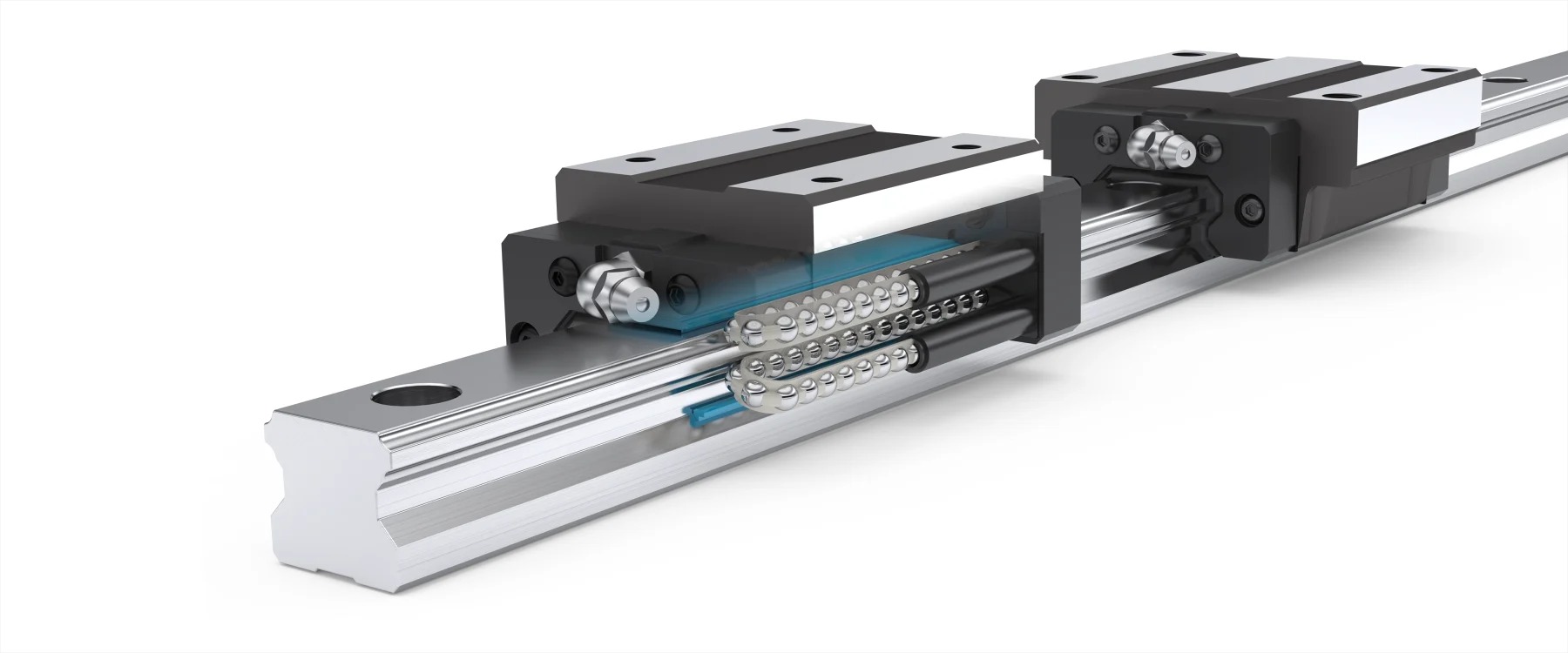
Les guidages linéaires à billes utilisent des billes d'acier en recirculation entre le rail de guidage et le chariot pour réduire le frottement. Cela permet à la machine de se déplacer rapidement et avec précisionce qui les rend idéaux pour l'usinage à grande vitesse et de précision.
Avantages :
Limites:
Meilleures applications :
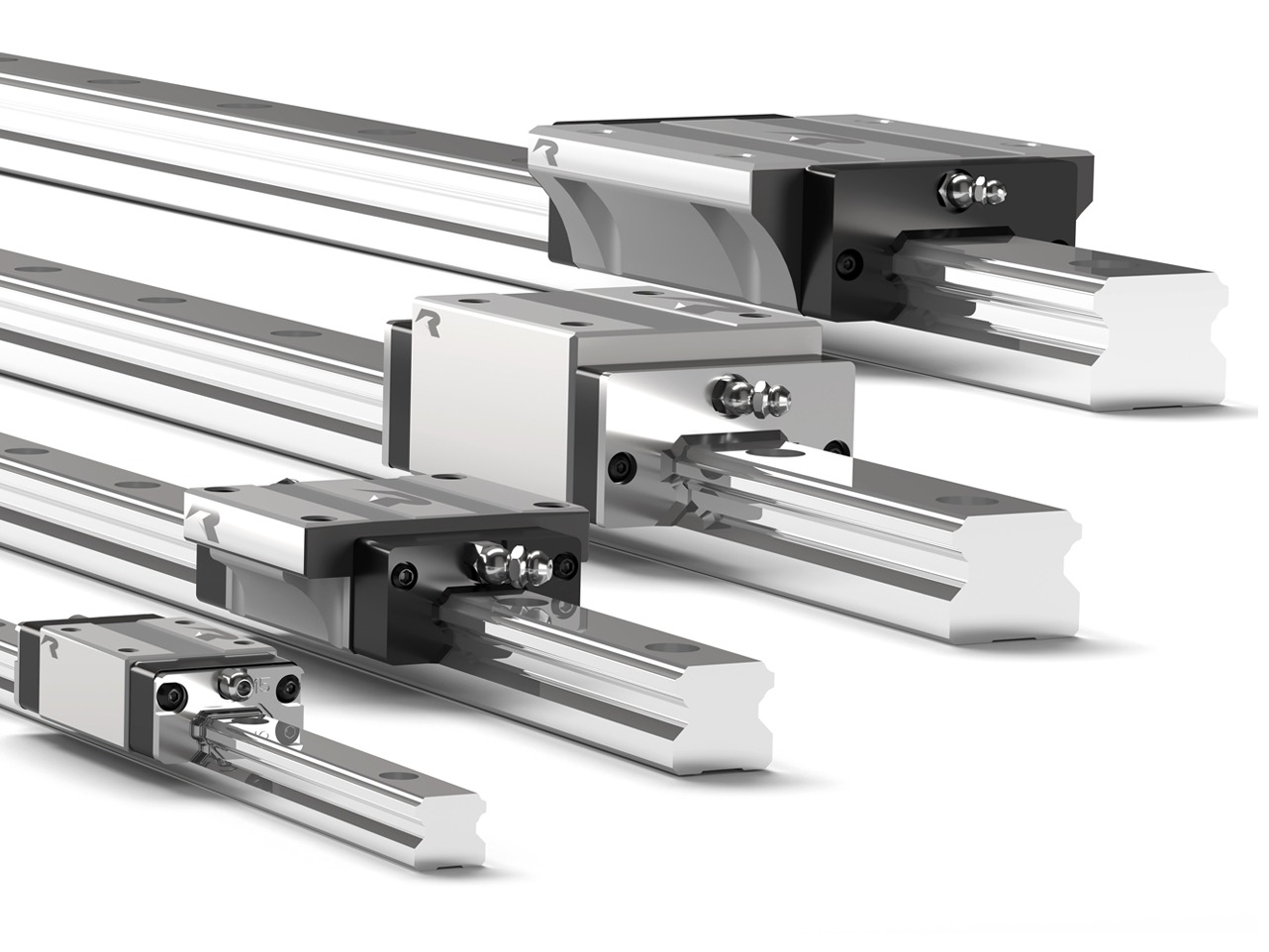
Les guidages linéaires à rouleaux remplacent les billes d'acier par des rouleaux cylindriques, ce qui augmente la surface de contact entre le chariot et le rail de guidage. Ils allient la rapidité des guidages linéaires à une rigidité et une capacité de charge supérieures, ce qui explique leur popularité croissante sur les tours CNC modernes.
Avantages :
Limites:
Meilleures applications :
Les glissières hydrostatiques utilisent un mince film d'huile sous pression pour séparer les surfaces mobiles et fixes, éliminant ainsi tout contact direct métal sur métal. Cette conception garantit un mouvement extrêmement fluide, une précision remarquable et une usure minimale.
Avantages :
Limites:
Meilleures applications :
Les guidages caissons et les guidages linéaires sont les deux systèmes de guidage les plus couramment utilisés dans Tours CNCAucune des deux solutions n'est universellement meilleure : le choix dépend de vos priorités d'usinage. Si vous avez besoin d'une rigidité maximale pour des opérations de coupe importantes, un guidage par caisson est la meilleure option. Si la vitesse et la productivité sont vos priorités, un guidage linéaire offre des avantages indéniables.
Fonctionnalité | Guide de boîte | Voie de guidage linéaire |
Rigidité | Excellent | Bien |
Performance de coupe | Idéal pour l'usinage intensif | Idéal pour les coupes légères à moyennes |
Précision d'usinage | Haut | Haut |
Vitesse de déplacement rapide | Inférieur | Plus haut |
Amortissement des vibrations | Excellent | Bien |
Entretien | Nécessite une lubrification régulière | entretien réduit |
Durée de vie | Excellent sous charges lourdes | Excellent en production à grande vitesse |
Meilleures applications | usinage de pièces volumineuses et lourdes | Pièces de précision et production en grande série |
Un guidage par caisson est préférable pour les opérations de coupe importantes, l'usinage en continu ou le traitement de pièces de grande taille. Sa grande rigidité et son excellent amortissement des vibrations garantissent une grande stabilité lors de l'usinage de l'acier, de la fonte et d'autres matériaux durs.
Un guidage linéaire est idéal lorsque la vitesse d'usinage, la précision et la productivité sont vos principales priorités. Il est performant en production de masse et est couramment utilisé pour les pièces en aluminium, les composants automobiles et autres applications d'usinage de précision où la rapidité des axes améliore l'efficacité.
Le choix du guidage optimal dépend du matériau usiné, de la force de coupe et de vos objectifs de production. Voici un guide rapide pour vous aider à sélectionner le guidage adapté à votre application.
Voie de guidage recommandée : Voie de guidage rectangulaire
L'usinage de l'acier épais génère des forces de coupe et des vibrations importantes. Un guidage par caisson assure la rigidité et la stabilité nécessaires aux coupes profondes, à l'usinage en continu et à une longue durée de vie des outils.
Pièces typiques : arbres de grande taille, brides, corps de vannes, composants ferroviaires
Voie de guidage recommandée : Voie de guidage linéaire à billes
L'usinage de l'aluminium privilégie la vitesse et l'efficacité à la force de coupe. Un guidage linéaire à billes assure un déplacement rapide des axes et un fonctionnement fluide, contribuant à réduire les temps de cycle tout en maintenant une bonne précision.
Pièces typiques : Pièces automobiles, boîtiers en aluminium, arbres de précision
Voie de guidage recommandée : Voie de guidage linéaire à rouleaux
L'acier inoxydable exige à la fois rigidité et précision. Les guidages à rouleaux offrent une capacité de charge supérieure aux guidages à billes tout en conservant une grande précision de positionnement, ce qui les rend idéaux pour les applications de précision exigeantes.
Pièces typiques : composants médicaux, raccords aérospatiaux, pièces mécaniques de précision
Voie de guidage recommandée : Voie de guidage rectangulaire
L'usinage de pièces volumineuses et lourdes exige un support maximal pour éviter les vibrations et garantir la précision. Les guidages caissonnés sont mieux adaptés à ces conditions exigeantes.
Pièces typiques : gros tuyaux, paliers, composants pétroliers et gaziers
Guidage recommandé : guidage linéaire à billes ou guidage linéaire à rouleaux
Pour une production en continu, des vitesses de déplacement élevées et une grande répétabilité sont essentielles. Les guidages linéaires améliorent l'efficacité d'usinage, tandis que les guidages à rouleaux offrent une rigidité accrue pour les environnements de production plus exigeants.
Pièces typiques : composants automobiles, raccords hydrauliques, matériel électronique
Choisir le bon système de guidage ne consiste pas à opter pour la solution la plus sophistiquée, mais à adapter la machine à vos besoins d'usinage. Avant d'acheter un tour CNC, tenez compte de ces quatre facteurs.
Tenez compte du matériau de votre pièce.
Le matériau usiné influe considérablement sur le choix des guidages. Les matériaux durs comme l'acier et la fonte génèrent des forces de coupe plus importantes et tirent profit de la rigidité des guidages caissonnés. Pour l'aluminium et autres matériaux légers, les guidages linéaires permettent d'obtenir une productivité accrue sans compromettre la précision.
Évaluer la charge de coupe et le style d'usinage
Réfléchissez à l'utilisation que vous ferez de la machine. Si votre travail consiste principalement en un ébauche importante ou en une découpe interrompue, les guidages caissonnés offrent une meilleure stabilité. Pour les opérations de finition, la découpe légère ou l'usinage à grande vitesse, les guidages linéaires ou à rouleaux assurent un mouvement plus fluide et des temps de cycle plus courts.
Adaptez le guide à votre volume de production
L'usinage intensif en petites séries et la production en grande série ont des exigences différentes. Les guidages caissons sont idéaux pour les travaux exigeants nécessitant une rigidité maximale, tandis que les guidages linéaires conviennent mieux à la production en continu où la vitesse et l'efficacité sont primordiales. Les guidages à rouleaux offrent un compromis entre les deux.
Considérer la rigidité de la machine comme un système complet
Le guidage n'est qu'un élément parmi d'autres qui contribuent aux performances globales de la machine. Le banc, la broche, les vis à billes, le système d'asservissement et la conception structurelle générale interagissent pour garantir la précision et la stabilité d'usinage. Un tour CNC bien conçu associe un guidage adapté à une structure rigide pour offrir des performances constantes et durables.
1. Quel type de guidage est le plus adapté aux tours CNC robustes ?
Les glissières à gorge sont généralement le meilleur choix pour les tours CNC de grande capacité. Leur large surface de contact offre une excellente rigidité et un amortissement optimal des vibrations, ce qui les rend idéales pour l'ébauche, les passes profondes et l'usinage de grandes pièces en acier ou en fonte.
2. Les guidages linéaires sont-ils adaptés à l'usinage de l'acier ?
Oui. Les guidages linéaires permettent un usinage efficace de l'acier, notamment pour les opérations de coupe légères à moyennes et la production à grande vitesse. Cependant, pour les applications nécessitant un ébauche importante ou des coupes fréquemment interrompues, un guidage par caisson est généralement préférable.
3. Quelle est la différence entre les guidages à billes et les guidages à rouleaux ?
Ce sont deux systèmes de guidage linéaire, mais ils utilisent des éléments de roulement différents. Les guidages à billes offrent une friction plus faible et des vitesses de déplacement plus élevées, tandis que les guidages à rouleaux offrent une plus grande rigidité, une capacité de charge supérieure et une meilleure stabilité dans des conditions de coupe difficiles.
4. Les guidages caissonnés nécessitent-ils plus d'entretien ?
Oui. Les glissières rectangulaires nécessitent une lubrification régulière pour minimiser le frottement et l'usure. Un entretien adéquat leur confère une excellente durabilité et leur permet de conserver une grande précision d'usinage pendant de nombreuses années.
5. Quel système de guidage offre la meilleure précision d'usinage ?
Tous les types de guidages peuvent atteindre une grande précision s'ils sont correctement conçus et entretenus. Pour l'usinage de précision à grande vitesse, les guidages linéaires et à rouleaux offrent généralement de meilleures performances de positionnement. Pour les opérations de coupe importantes où la stabilité est primordiale, les guidages caissons produisent souvent des résultats d'usinage plus constants.
6. Un tour CNC peut-il gérer à la fois les opérations d'ébauche et de finition ?
Oui. De nombreux tours CNC modernes sont conçus pour réaliser les deux opérations. Les machines équipées de guidages linéaires à rouleaux offrent un bon compromis entre rigidité, vitesse et précision, tandis que les machines à guidage par caisson peuvent également fournir une excellente qualité de finition après un ébauche importante, lorsqu'elles sont correctement configurées.
Le choix du bon guidage peut considérablement améliorer les performances, la précision et la productivité d'usinage. Les guidages rectangulaires sont idéaux pour les opérations de coupe intensives, tandis que les guidages linéaires excellent dans la production à haute vitesse et haute précision. Les guidages à rouleaux offrent un compromis entre les deux.
Si vous choisissez un tour CNC, sélectionnez le guidage en fonction de vos besoins d'usinage, et non uniquement des spécifications techniques. Besoin d'aide pour trouver la machine adaptée ? Contacter Yangsen pour des conseils d'experts et une solution de tour CNC adaptée à votre application.

MOTS CLÉS :