Choisir le bon procédé d'usinage est plus important que beaucoup de fabricants ne le pensent. Un procédé inadapté peut augmenter les coûts de production, réduire la précision d'usinage, raccourcir la durée de vie des outils, voire rendre la fabrication d'une pièce impossible. C'est pourquoi comprendre la classification des procédés d'usinage est la première étape vers de meilleures décisions de fabrication.
Dans ce guide, vous découvrirez les principaux types de procédés d'usinage, notamment : usinage conventionnel, usinage abrasif et usinage non traditionnelNous expliquerons également où chaque procédé est utilisé et comment choisir la méthode d'usinage appropriée en fonction des matériaux, des conceptions de pièces et des exigences de production.
L'usinage est un procédé de fabrication qui consiste à enlever de la matière d'une pièce pour obtenir la forme, les dimensions et l'état de surface requis. Il est largement utilisé pour produire des pièces métalliques et plastiques de haute précision pour des secteurs tels que l'aérospatiale, l'automobile, la fabrication de moules et le matériel médical.
L'usinage moderne comprend diverses types de procédés d'usinageDes méthodes de coupe conventionnelles comme le tournage et le fraisage aux procédés avancés tels que l'électroérosion et l'usinage laser, chaque procédé présente ses propres avantages, le rendant adapté à différents matériaux, géométries de pièces et exigences d'usinage.
Il existe de nombreuses façons de classer les procédés d'usinage, mais l'approche la plus courante repose sur la manière dont la matière est enlevée de la pièce. Selon cette méthode, les procédés d'usinage sont généralement divisés en trois grandes catégories :
Chaque classification est conçue pour des matériaux, des géométries de pièces, des exigences de précision et des applications de production différents.
L'usinage conventionnel enlève de la matière par contact direct entre un outil de coupe et la pièce à usiner. C'est la catégorie d'usinage la plus répandue car elle offre une efficacité élevée, une précision stable et une production rentable. Ces procédés conviennent à la plupart des métaux et des plastiques techniques et sont couramment mis en œuvre sur Tours CNC, centres d'usinage, et machines à forer.
Le tournage permet d'usiner des pièces en rotation pour leur donner une forme cylindrique. Il est idéal pour produire des arbres, des bagues, des axes, des filetages et autres pièces rondes avec une grande précision dimensionnelle et des états de surface lisses.
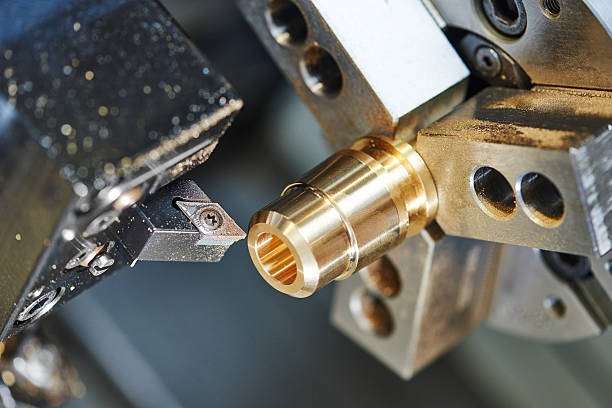
Le fraisage utilise un outil de coupe rotatif pour usiner des surfaces planes, des rainures, des poches, des contours et des formes 3D complexes. C'est l'un des procédés d'usinage les plus polyvalents et il est largement utilisé dans la fabrication de moules, l'aérospatiale, l'automobile et la production industrielle en général.
Le perçage permet de créer des trous ronds et précis pour les boulons, les fixations, les canaux de refroidissement et les éléments d'assemblage. Il constitue souvent la première étape avant le taraudage, l'alésage ou le perçage.
L'alésage améliore la taille, la circularité et l'état de surface des trous pré-percés. Il est couramment utilisé pour les logements de paliers, les blocs-moteurs, les vérins hydrauliques et autres composants exigeant une grande précision d'alésage.
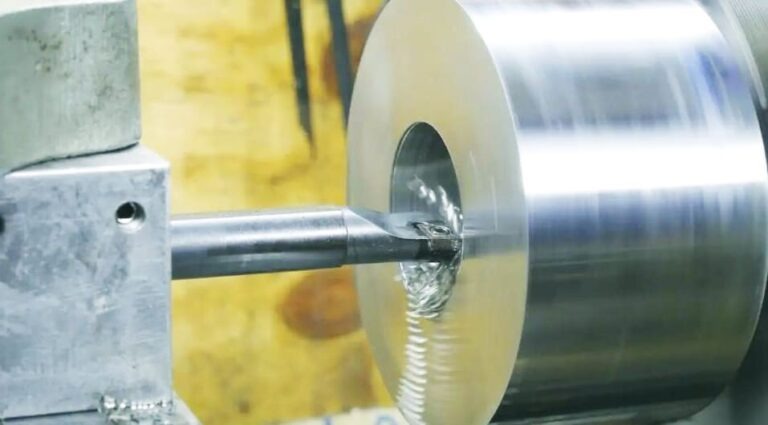
L'alésage est une opération de finition qui consiste à enlever une petite quantité de matière d'un trou existant afin d'obtenir des tolérances plus serrées et un état de surface plus lisse. Il est souvent utilisé pour les pièces d'assemblage de précision.
Le brochage enlève de la matière en une seule passe à l'aide d'un outil de coupe à plusieurs dents. Il est particulièrement efficace pour la production en série de rainures de clavette, de cannelures, de profils internes et d'autres formes répétitives.
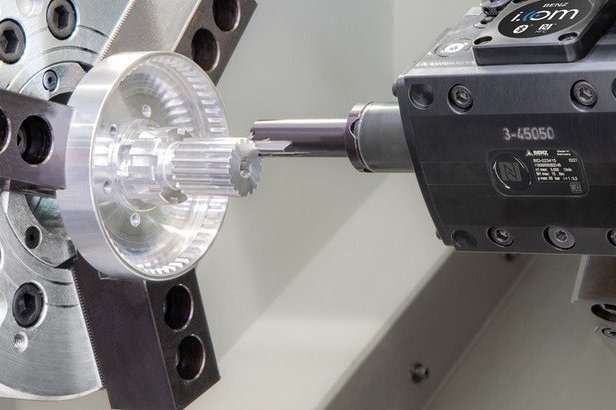
Contrairement à l'usinage conventionnel, l'usinage abrasif enlève de la matière à l'aide de particules abrasives plutôt que d'outils de coupe classiques. Ces procédés sont principalement utilisés comme opérations de finition pour obtenir des tolérances plus serrées, des états de surface plus lisses et une précision dimensionnelle accrue.
Le meulage utilise une meule abrasive rotative pour enlever une petite quantité de matière de la pièce. Il est largement utilisé pour la finition de l'acier trempé, des moules de précision, des engrenages, des composants de roulements et autres pièces exigeant une excellente précision et une qualité de surface irréprochable.
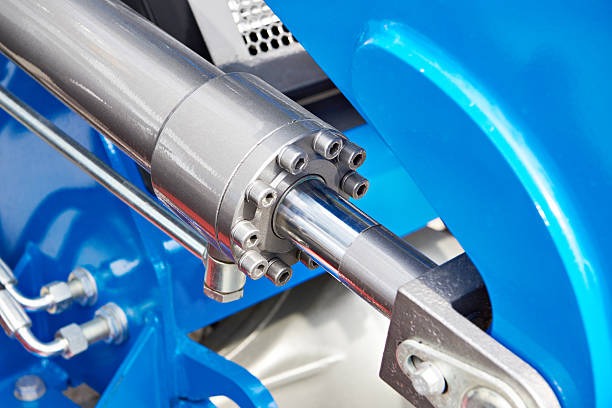
Le rodage permet d'améliorer la géométrie et l'état de surface des alésages internes. Il est couramment utilisé sur les cylindres de moteurs, les vérins hydrauliques et les alésages de précision où des surfaces lisses et des dimensions précises sont essentielles.
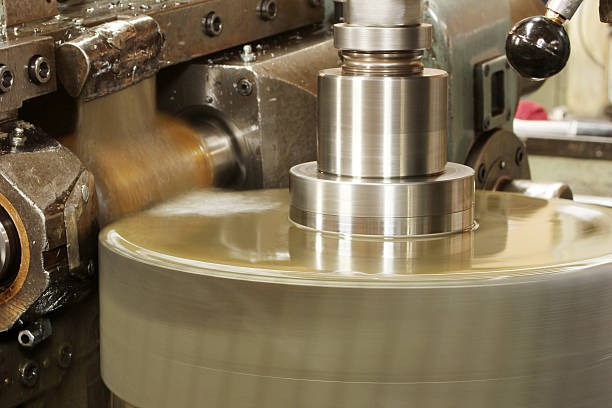
Le rodage est un procédé de finition ultra-précis qui utilise des abrasifs fins pour créer des surfaces exceptionnellement planes et lisses. Il est fréquemment employé pour les composants optiques, les surfaces d'étanchéité, les jauges et autres pièces de haute précision.
L'usinage non conventionnel enlève de la matière sans contact direct entre un outil de coupe classique et la pièce. Il utilise plutôt l'énergie électrique, thermique ou de haute pression pour usiner des matériaux durs, des composants délicats ou des géométries complexes difficiles à réaliser par usinage conventionnel. Ces procédés sont largement utilisés dans l'aérospatiale, le médical, l'électronique et la fabrication de moules.
L'électroérosion (EDM) enlève de la matière grâce à des étincelles électriques contrôlées entre une électrode et la pièce à usiner. Elle est idéale pour l'usinage d'aciers trempés, de cavités de moules complexes, d'angles internes vifs et de profils complexes sans appliquer de force de coupe.
L'électroérosion à fil utilise une électrode à fil en mouvement continu pour découper des contours précis et des rainures étroites. Elle est couramment employée pour la fabrication de matrices, de poinçons, d'outillage de précision et de composants exigeant des tolérances extrêmement serrées.
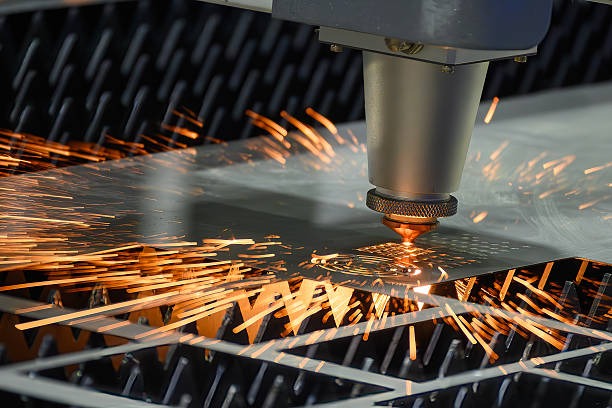
L'usinage laser utilise un faisceau laser focalisé pour découper, percer ou graver des matériaux avec une grande précision. Il est particulièrement adapté aux métaux fins, aux microcomposants, aux dispositifs médicaux et aux pièces électroniques nécessitant une déformation thermique minimale.
La découpe au jet d'eau enlève de la matière grâce à un jet d'eau à haute pression mélangé à des particules abrasives. N'générant aucune zone affectée thermiquement, elle est idéale pour la découpe des métaux, des composites, de la céramique, du verre et des matériaux thermosensibles, tout en garantissant une excellente qualité de coupe.
Chaque type d'usinage présente ses propres avantages et est conçu pour répondre à des besoins de fabrication spécifiques. Le tableau ci-dessous compare les trois principales catégories afin de vous aider à comprendre rapidement leurs différences.
Classification | Processus typiques | Idéal pour | Principaux avantages | Limites |
Usinage conventionnel | Tournage, fraisage, perçage, alésage | Découpe générale des métaux, rendement de production élevé | Économique, polyvalent, adapté à la plupart des matériaux | Limité lors de l'usinage de matériaux extrêmement durs ou de formes complexes |
Usinage abrasif | Rectification, rodage, polissage | Finition de haute précision et qualité de surface supérieure | Excellente précision et finition de surface | Taux d'enlèvement de matière plus faible, principalement utilisé comme procédé de finition |
Usinage non traditionnel | Usinage par électroérosion (EDM), électroérosion à fil, usinage laser, découpe au jet d'eau | Matériaux durs, géométries complexes, composants délicats | Peut usiner des matériaux difficiles et des formes complexes | Coût d'équipement plus élevé et vitesse d'usinage plus lente pour certaines applications |
Le procédé d'usinage optimal dépend du matériau, de la géométrie de la pièce, des tolérances requises, de l'état de surface souhaité et du volume de production. Dans de nombreux projets de fabrication, plusieurs procédés d'usinage sont combinés afin d'obtenir le meilleur compromis entre qualité, efficacité et coût.
Il n'existe pas de procédé d'usinage unique optimal pour tous les projets. Le choix le plus approprié dépend de la conception de votre pièce, du matériau, des exigences de qualité et des objectifs de production. Avant de sélectionner un procédé d'usinage, tenez compte des facteurs suivants.
Différents matériaux requièrent différentes méthodes d'usinage. L'aluminium et l'acier doux s'usinent facilement par des procédés conventionnels tels que le fraisage et le tournage. En revanche, l'acier trempé, le titane, la céramique et les composites peuvent nécessiter une rectification, une électroérosion ou une découpe au jet d'eau pour obtenir les résultats souhaités.
Les pièces cylindriques simples sont généralement produites par tournage, tandis que les surfaces planes, les cavités et les géométries 3D complexes sont mieux adaptées au fraisage. Les composants présentant des profils internes complexes ou des angles vifs nécessitent souvent l'électroérosion à fil ou d'autres procédés d'usinage non conventionnels.
Si la précision dimensionnelle standard est acceptable, l'usinage conventionnel est généralement l'option la plus économique. Pour des tolérances serrées ou des états de surface supérieurs, des procédés de finition tels que la rectification, le rodage ou le polissage peuvent être nécessaires.
Le volume de production influe également sur le choix du procédé. L'usinage conventionnel est idéal pour la plupart des productions, qu'elles soient en petites ou grandes séries, grâce à son efficacité et à ses coûts d'exploitation réduits. L'usinage non conventionnel est généralement privilégié lorsque les méthodes conventionnelles ne permettent pas d'atteindre la géométrie ou les performances matérielles requises, même s'il peut engendrer des coûts d'usinage plus élevés.
1. Quel est le procédé d'usinage le plus couramment utilisé ?
L'usinage conventionnel est la catégorie la plus répandue. Des procédés tels que le tournage, le fraisage, le perçage et l'alésage conviennent à la plupart des applications de fabrication car ils offrent une efficacité élevée, une précision fiable et une production rentable.
2. Quelle est la différence entre l'usinage conventionnel et l'usinage non traditionnel ?
L'usinage conventionnel enlève de la matière par contact direct entre un outil de coupe et la pièce. L'usinage non conventionnel utilise l'énergie électrique, thermique ou à haute pression, ce qui le rend idéal pour l'usinage de matériaux durs, de géométries complexes et de composants délicats.
3. Quel procédé d'usinage offre la meilleure finition de surface ?
Le rodage, le polissage et le lissage permettent généralement d'obtenir le meilleur état de surface et la meilleure précision dimensionnelle. Ces procédés d'usinage abrasifs sont couramment utilisés comme opérations de finition après usinage conventionnel.
4. Une pièce peut-elle nécessiter plusieurs opérations d'usinage ?
Oui. De nombreux composants de précision sont fabriqués en combinant plusieurs procédés d'usinage. Par exemple, une pièce peut être fraisée pour obtenir sa forme de base, percée pour réaliser des trous, puis rectifiée pour obtenir des tolérances plus serrées et un état de surface plus lisse.
5. Comment choisir le bon procédé d'usinage ?
Le choix du procédé d'usinage optimal dépend de plusieurs facteurs, notamment le matériau de la pièce, sa géométrie, les tolérances requises, l'état de surface, le volume de production et le budget. L'évaluation conjointe de ces exigences permet de sélectionner la solution d'usinage la plus efficace et la plus économique.
Si vous envisagez un nouveau projet d'usinage ou un investissement dans des équipements CNC, le choix du bon procédé d'usinage n'est que la première étape. Il est tout aussi important de choisir une machine CNC qui offre la précision, la rigidité et la productivité requises par votre application. Collaborer avec un expert est essentiel. fabricant de machines CNC peut vous aider à trouver la solution la plus efficace pour vos besoins de production et à obtenir des résultats constants et de haute qualité.

MOTS CLÉS :