Dans le secteur aérospatial, même une petite erreur peut engendrer des retouches coûteuses ou des pièces défectueuses. De plus, il faut composer avec des géométries complexes, des matériaux résistants et des délais très serrés.
C’est pourquoi les machines-outils sont essentielles. Elles ont un impact direct sur votre précision, votre efficacité et la fiabilité globale de votre production.
Dans cet article, nous verrons comment les machines-outils soutiennent la fabrication aérospatiale et pourquoi le choix du bon équipement est important.
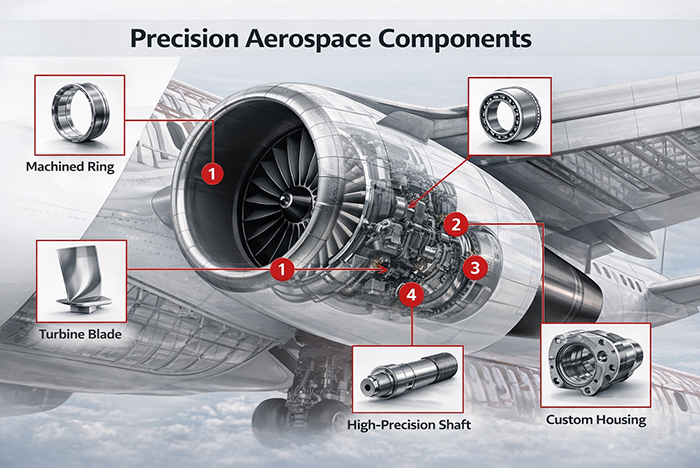
Dans le secteur aérospatial, la précision n'est pas seulement une exigence, c'est une condition sine qua non. De nombreux composants doivent respecter des tolérances de l'ordre du micron, notamment dans les systèmes critiques tels que les moteurs et les structures. Même le plus petit écart peut affecter les performances, engendrer des problèmes d'assemblage ou entraîner le rejet de la pièce.
Cela signifie que les machines-outils doivent garantir une précision constante sur de longs cycles de production, et non une précision ponctuelle. La stabilité, la répétabilité et la maîtrise thermique sont essentielles au maintien de ce niveau de performance.
Les composants aérospatiaux sont rarement simples. Des surfaces courbes aux cavités profondes en passant par les structures à parois minces, de nombreuses pièces nécessitent un usinage multi-angles et multi-surfaces.
Les machines 3 axes traditionnelles peinent souvent à répondre efficacement à ces exigences. C'est pourquoi les machines-outils avancées, notamment les centres d'usinage 5 axes, sont largement utilisées : elles permettent de réaliser des pièces complexes en une seule opération, réduisant ainsi les erreurs de repositionnement et améliorant la précision globale.
Les matériaux utilisés dans l'aérospatiale, tels que les alliages de titane, l'Inconel et les matériaux composites, sont connus pour leur résistance — et leur difficulté d'usinage.
Ces matériaux génèrent des forces de coupe et une chaleur importantes, ce qui peut rapidement entraîner une usure prématurée de l'outil, une déformation ou une mauvaise qualité de surface. Pour y remédier, les machines-outils doivent offrir :
Rigidité élevée pour résister aux vibrations
Broches puissantes pour une coupe stable
Des systèmes de refroidissement efficaces pour gérer la chaleur
Sans l'équipement adéquat, l'usinage de ces matériaux devient inefficace et coûteux.
Dans le secteur aérospatial, la moindre erreur est fatale. Chaque composant doit répondre à des normes de qualité strictes, car la défaillance est inacceptable.
Cela impose des exigences accrues aux machines-outils, non seulement en termes de précision, mais aussi de fiabilité et de constance des processus. Les fabricants ont besoin de machines capables de maintenir leurs performances d'un lot à l'autre, de réduire la variabilité et de répondre à des exigences d'inspection strictes.
Au-delà des défis techniques, les fabricants du secteur aérospatial subissent également une pression constante pour améliorer leur efficacité et maîtriser leurs coûts.
La complexité des pièces, les longs temps d'usinage et le coût élevé des matériaux font que toute inefficacité — comme des réglages excessifs, l'usure des outils ou les rebuts — peut augmenter considérablement les coûts de production.
Les machines-outils de pointe contribuent à résoudre ce problème en permettant :
Réduction du nombre de réglages grâce à l'usinage multi-axes
Coupe plus rapide grâce à des performances de broche optimisées
Réduction des rebuts grâce à une précision accrue
Au final, la machine-outil adéquate n'améliore pas seulement l'usinage, elle a un impact direct sur votre rentabilité.
Les différents composants aérospatiaux requièrent des solutions d'usinage spécifiques. Des petites pièces de précision aux grands éléments structuraux, les fabricants s'appuient sur une gamme de machines-outils de pointe pour atteindre la précision et l'efficacité requises.
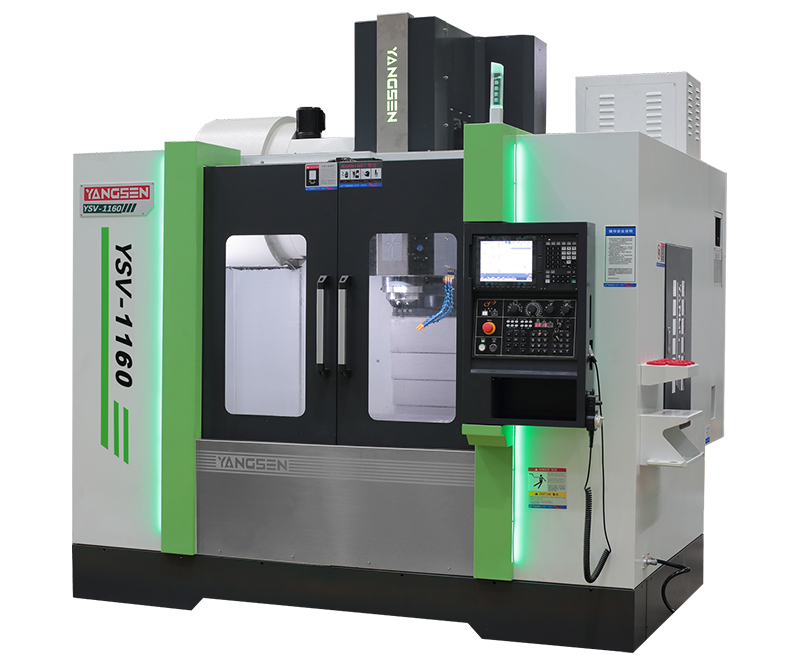
Les centres d'usinage verticaux sont largement utilisés pour les composants aérospatiaux de petite et moyenne taille, en particulier les pièces nécessitant un usinage à grande vitesse et des finitions de surface fines.
Ils sont idéaux pour l'usinage :
pièces structurelles en aluminium
Supports et boîtiers
Composants de précision aux géométries relativement simples
Les centres d'usinage verticaux (VMC) offrent une grande polyvalence et sont souvent utilisés en début de production ou pour des pièces ne nécessitant pas d'usinage multi-angles complexe. Grâce à leurs broches à grande vitesse et à leur structure stable, ils garantissent à la fois efficacité et précision.
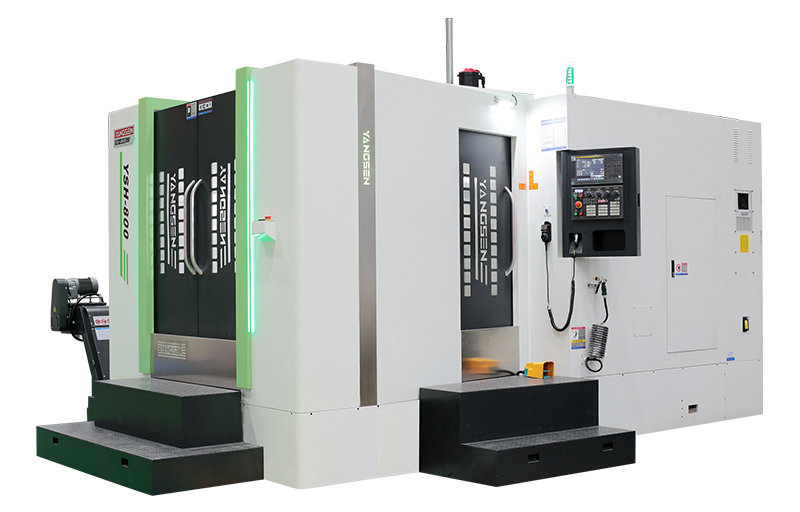
centres d'usinage horizontaux sont mieux adaptées aux pièces structurelles complexes et à la production en série.
Leur principal avantage réside dans l'usinage multifaces. Grâce à un système de broche horizontale et de palette, les centres d'usinage horizontaux peuvent usiner plusieurs faces d'une pièce en une seule opération, ce qui réduit considérablement le temps de repositionnement et améliore la régularité de la production.
Ils sont couramment utilisés pour :
carters de boîte de vitesses
Structures
Composants de cavité complexes
Pour les fabricants aérospatiaux qui cherchent à améliorer leur rendement tout en maintenant leur précision, les centres d'usinage horizontaux (HMC) sont souvent un choix privilégié.
Centres d'usinage 5 axes sont considérés comme des équipements essentiels dans la fabrication aérospatiale moderne.
Elles permettent un mouvement simultané sur plusieurs axes, rendant possible l'usinage de géométries très complexes en une seule opération. Ceci est particulièrement important pour les pièces à surfaces courbes et aux exigences de tolérancement strictes.
Les applications typiques comprennent :
pales de turbine
turbines
Composants structuraux aérospatiaux complexes
En réduisant plusieurs réglages à un seul, les machines à 5 axes améliorent non seulement la précision, mais raccourcissent aussi considérablement le temps de production.
Toutes les pièces aérospatiales ne sont pas prismatiques. De nombreux composants, notamment dans les moteurs, nécessitent un usinage rotatif.
Les tours et centres de tournage à commande numérique sont utilisés pour :
Arbres
Disques
Composants de moteur cylindrique
Ces machines offrent une grande précision dans le contrôle du diamètre et la finition de surface, ce qui les rend essentielles pour les pièces qui doivent fonctionner à haute vitesse et sous contrainte.
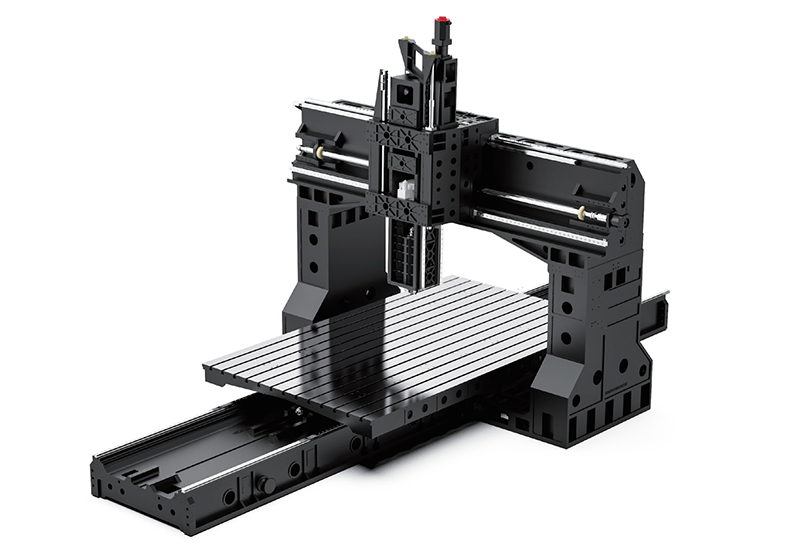
Pour les grands composants aérospatiaux, les machines standard ne suffisent tout simplement pas. Portique et centres d'usinage à double colonne sont conçues pour manipuler des pièces volumineuses et lourdes avec une rigidité et une stabilité élevées.
Ils sont généralement utilisés pour :
structures d'aéronefs
structures d'ailes
Grandes plaques et pièces structurelles
Grâce à leur structure robuste et à leurs grandes courses, ces machines garantissent un usinage stable même dans des conditions de coupe difficiles.
La fabrication aérospatiale englobe une vaste gamme de composants, allant des grandes pièces structurelles aux composants de moteurs de haute précision. Chaque type de pièce impose des exigences différentes aux machines-outils en termes de précision, de rigidité et de capacité d'usinage.
Les éléments structuraux constituent l'ossature d'un aéronef et sont généralement grands, légers et complexes.
Ces composants comprennent souvent :
Cadres
Nervures et longerons d'aile
Éléments structurels du fuselage
Ils sont généralement fabriqués à partir d'alliages d'aluminium ou de matériaux composites et nécessitent des procédés d'usinage qui permettent de maintenir la résistance tout en réduisant le poids.
Pour y parvenir, les fabricants s'appuient sur :
Centres d'usinage à portique pour pièces de grande taille
Centres d'usinage horizontaux (HMC) pour l'usinage multifaces
Le principal défi consiste ici à maintenir la précision sur de grandes dimensions tout en assurant l'intégrité structurelle.
Les pièces de moteur figurent parmi les plus exigeantes de l'industrie aérospatiale. Elles doivent résister à des températures élevées, à la pression et aux forces de rotation, ce qui implique des tolérances extrêmement serrées et une qualité de surface supérieure.
Les composants typiques comprennent :
Disques de turbine
pales et hélices
Carter moteur
Ces pièces sont souvent fabriquées à partir de matériaux difficiles à usiner, tels que les alliages de titane et les alliages haute température.
Les solutions d'usinage impliquent généralement :
Centres d'usinage CNC 5 axes pour géométries complexes
Machines à haute rigidité pour une coupe stable
La précision et la constance sont essentielles, car même des défauts mineurs peuvent affecter les performances du moteur.
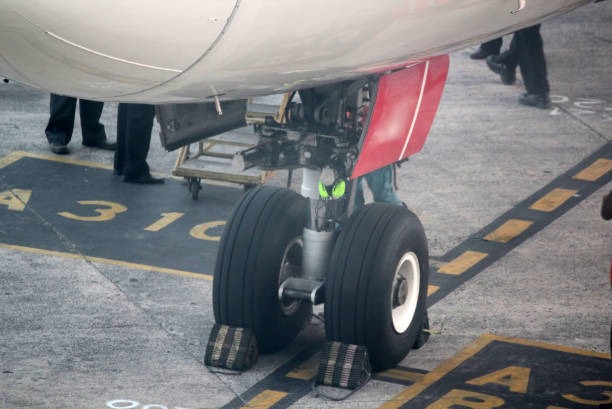
Les pièces du train d'atterrissage doivent résister à des impacts répétés et à des contraintes extrêmes, ce qui fait de la résistance et de la durabilité les priorités absolues.
Les pièces communes comprennent :
Composants d'amortisseur
Supports structuraux
Pièces de connexion haute résistance
Ces composants sont généralement fabriqués en acier à haute résistance ou en titane et nécessitent un usinage de haute précision avec une excellente intégrité de surface.
Les machines-outils utilisées dans ce domaine doivent fournir :
Couple élevé
Forte rigidité
Performances d'usinage fiables même dans des conditions de coupe difficiles
Toutes les pièces aérospatiales ne sont pas de grande taille. De nombreux composants plus petits exigent néanmoins une précision et une régularité extrêmement élevées.
Cela comprend :
Supports
Connecteurs
petites pièces structurelles complexes
Malgré leur taille réduite, les exigences de tolérance restent strictes. Ces pièces sont souvent produites en lots, ce qui requiert à la fois précision et efficacité.
Dans le secteur aérospatial, le choix des machines-outils influe directement sur la qualité des pièces, l'efficacité de la production et le coût global. Les machines-outils à commande numérique (CNC) de pointe ne sont pas de simples équipements : elles constituent un facteur clé de compétitivité.
La précision est le fondement de la fabrication aérospatiale, mais c'est la constance qui compte vraiment en production.
Les machines-outils à commande numérique (CNC) garantissent une précision constante pour chaque pièce, même en grandes séries. Grâce à des systèmes de contrôle avancés et à des structures de machines stables, les fabricants peuvent maintenir des tolérances serrées sans réglages manuels permanents.
Cela réduit non seulement le risque de rejet des pièces, mais améliore également la fiabilité de l'assemblage, notamment pour les composants qui doivent s'emboîter parfaitement avec les autres.
Les composants aérospatiaux deviennent de plus en plus complexes, avec des surfaces courbes, des cavités profondes et des caractéristiques multi-angulaires.
Les machines-outils à commande numérique (CNC), notamment les systèmes à 5 axes, permettent d'usiner ces pièces en une seule opération. Ceci élimine les repositionnements répétés, source fréquente d'erreurs.
Par conséquent, les fabricants peuvent obtenir :
Précision accrue
meilleure qualité de surface
procédés d'usinage plus efficaces
Pour les pièces aérospatiales complexes, cette capacité n'est pas optionnelle, elle est essentielle.
L'efficacité est un défi majeur dans l'usinage aérospatial, où les temps de cycle sont souvent longs et les matériaux coûteux.
Les machines-outils à commande numérique contribuent à améliorer l'efficacité en :
Réduction du temps de réglage grâce à l'usinage multi-axes
Permettre un fonctionnement continu grâce à l'automatisation
Optimisation des performances de coupe grâce aux broches à grande vitesse
En raccourcissant les cycles de production et en minimisant les temps d'arrêt, les fabricants peuvent augmenter considérablement leur production sans compromettre la qualité.
L'usinage manuel introduit de la variabilité, notamment lorsqu'il s'agit de pièces complexes ou de tolérances serrées.
Les systèmes CNC automatisent le processus d'usinage selon des instructions programmées, garantissant des résultats reproductibles et prévisibles. Cela réduit la dépendance à l'égard du savoir-faire de l'opérateur et minimise les risques d'erreurs coûteuses.
La qualité de surface est essentielle pour de nombreux composants aérospatiaux, en particulier ceux exposés à des contraintes ou à des flux d'air élevés.
Les machines-outils à commande numérique de pointe offrent :
Conditions de coupe stables
Trajectoires d'outils précises
Environnements d'usinage contrôlés
Il en résulte de meilleurs états de surface et une qualité de pièces plus homogène, réduisant ainsi le besoin de traitements secondaires.
L'usinage aérospatial est réputé pour sa complexité. Du travail des matériaux durs aux géométries complexes, les fabricants doivent relever de nombreux défis qui influent directement sur l'efficacité, les coûts et la qualité des pièces. Le choix des machines-outils adaptées est crucial pour résoudre ces problèmes.
Les composants aérospatiaux sont souvent fabriqués à partir d'alliages de titane, d'alliages haute température et d'autres matériaux de pointe. Ces matériaux sont résistants et supportent bien la chaleur, mais sont aussi extrêmement difficiles à usiner.
Elles ont tendance à générer des forces de coupe élevées et une chaleur excessive, ce qui peut entraîner :
Usure rapide des outils
mauvaise finition de surface
Stabilité d'usinage réduite
Comment les machines-outils résolvent ce problème :
Les machines CNC de pointe offrent :
Structures à haute rigidité pour minimiser les vibrations
Broches à couple élevé pour une coupe stable
Des systèmes de refroidissement efficaces pour contrôler la chaleur
Ces caractéristiques permettent d'usiner des matériaux durs plus efficacement tout en prolongeant la durée de vie des outils.
De nombreuses pièces aérospatiales présentent des surfaces courbes, des cavités profondes et des structures internes complexes. L'usinage de ces géométries par des méthodes traditionnelles nécessite souvent plusieurs réglages, ce qui augmente le risque d'erreurs.
Le défi :
Le repositionnement entraîne des erreurs d'alignement
Un temps de préparation plus long réduit l'efficacité
Comment les machines-outils résolvent ce problème :
Les machines CNC multi-axes, notamment les centres d'usinage à 5 axes, permettent :
Usinage multi-angles simultané
Réalisation de pièces complexes en une seule configuration
Cela améliore considérablement la précision tout en réduisant le temps d'usinage.
Les pièces aérospatiales exigent souvent des tolérances extrêmement serrées. Même de petits écarts peuvent entraîner le rejet de la pièce ou des problèmes de performance.
Le défi :
Maintenir la précision sur de longs cycles d'usinage
Garantir la cohérence entre les lots
Comment les machines-outils résolvent ce problème :
Les machines-outils modernes offrent :
Systèmes de contrôle de haute précision
Stabilité thermique pour réduire la déformation
Répétabilité constante de la production
Ces capacités garantissent que les pièces répondent aux normes aérospatiales strictes.
La chaleur est l'un des plus grands défis de l'usinage aérospatial, en particulier lors du travail avec des matériaux durs.
Une chaleur excessive peut provoquer :
Dommages aux outils
Imprécisions dimensionnelles
défauts de surface
Comment les machines-outils résolvent ce problème :
Les machines CNC de pointe intègrent :
Systèmes de refroidissement haute performance
Paramètres de coupe optimisés
Environnements d'usinage stables
Cela permet de contrôler la température et de maintenir la qualité d'usinage.
Les matériaux aérospatiaux sont coûteux et les procédés d'usinage sont longs. La moindre erreur, qu'elle soit due à un mauvais réglage ou à une instabilité de la machine, peut engendrer des pertes considérables.
Le défi :
Coûts de recyclage élevés
faible marge d'erreur
Comment les machines-outils résolvent ce problème :
Les machines-outils fiables réduisent les risques en fournissant :
Performances d'usinage stables
Processus automatisés minimisant les erreurs humaines
Qualité constante des pièces
Cela aide les fabricants à réduire leurs taux de rebut et à améliorer le contrôle global de leurs coûts.
Pourquoi l'usinage 5 axes est-il important dans l'aérospatiale ?
L'usinage 5 axes permet de réaliser des pièces complexes en une seule opération. Cela réduit les erreurs de repositionnement, améliore la précision et raccourcit les délais de production, ce qui le rend essentiel pour les composants aux géométries complexes tels que les aubes de turbines et les pièces structurelles.
Quels sont les matériaux les plus difficiles à usiner dans le secteur aérospatial ?
Les matériaux aérospatiaux courants, tels que les alliages de titane, l'Inconel et les aciers à haute résistance, sont difficiles à usiner en raison de leur dureté et de leur résistance à la chaleur. Leur usinage requiert des machines à haute rigidité, des broches performantes et des systèmes de refroidissement efficaces.
Quel niveau de précision sont requis pour les machines CNC aérospatiales ?
L'usinage aérospatial exige souvent une précision de l'ordre du micron, ainsi qu'une grande répétabilité d'un lot à l'autre. Plus important encore, les machines doivent maintenir cette précision de manière constante sur de longs cycles de production.
Quels sont les principaux défis de l'usinage aérospatial ?
Les principaux défis consistent à usiner des matériaux difficiles, à manipuler des géométries complexes, à maintenir des tolérances serrées et à maîtriser la chaleur et l'usure des outils. Ces facteurs peuvent avoir un impact significatif sur la qualité et le coût de production.
Comment une machine-outil adaptée peut-elle améliorer l'efficacité de la production ?
Une machine-outil adaptée permet de réduire les temps de réglage, d'améliorer la stabilité d'usinage et d'optimiser le traitement grâce à ses capacités multi-axes et à l'automatisation. Il en résulte des cycles de production plus courts et des coûts globaux réduits.
Les machines-outils jouent un rôle fondamental dans la fabrication aérospatiale, permettant la production de composants complexes et de haute précision tout en maintenant l'efficacité et la constance.
Face à la difficulté croissante d'usinage des matériaux et à la complexité grandissante des pièces, la demande en solutions CNC avancées ne cesse de croître. Choisir la machine-outil adaptée n'est plus seulement une décision technique : c'est un enjeu direct pour la stabilité de la production, la maîtrise des coûts et la compétitivité à long terme.
Si vous souhaitez améliorer vos capacités d'usinage dans le secteur aérospatial, collaborer avec le bon partenaire en matière de machines-outils peut faire toute la différence.