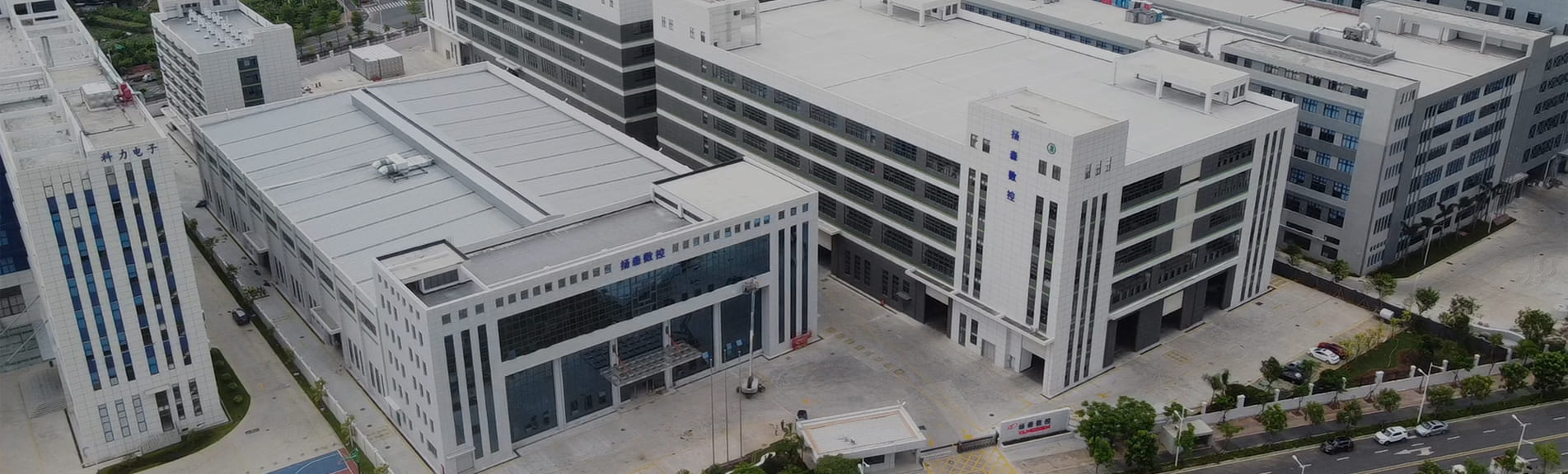
Les machines CNC sont des outils essentiels, de véritables actifs industriels qui apportent une valeur ajoutée considérable à vos opérations de fabrication, car elles influent directement sur votre productivité et votre réussite financière. La durée de maintenance de vos machines CNC, que ce soit dans les petits ateliers ou les grandes usines, détermine la rentabilité de votre entreprise en raison de son impact sur les performances des machines. La maintenance des machines CNC est donc primordiale. machines CNC est essentiel pour les entreprises car son impact sur la durée de vie des équipements est souvent négligé.
Le système constitue un problème latent qui prolonge les temps d'arrêt tout en augmentant les coûts opérationnels et en dégradant la qualité des produits. Les pannes inattendues perturbent la planification de la production, ce qui nuit à la relation client et engendre des réparations d'urgence coûteuses. La mise en œuvre de pratiques de maintenance préventive, depuis les mesures préventives et la gestion du système de refroidissement jusqu'à la formation des opérateurs et les systèmes de surveillance intelligents, produit un effet durable.
Ce blog fournit aux lecteurs des recommandations en matière de maintenance des machines CNC, incluant des techniques avancées et des méthodes éprouvées permettant de prolonger la durée de vie des équipements CNC, de réduire les temps d'arrêt machine et d'assurer un fonctionnement continu et de haut niveau des machines.
Négliger la maintenance des machines CNC peut sembler apporter des avantages financiers immédiats, mais cela entraîne des pertes financières permanentes et des problèmes d'efficacité opérationnelle dans toute l'organisation.
Voici les coûts cachés les plus courants :
Temps d'arrêt imprévu :
La production s'arrête en raison de pannes d'équipement immédiates, empêchant ainsi l'achèvement des commandes de produits.
Réparations d'urgence fréquentes :
Le coût de la maintenance réactive des équipements dépasse toujours les dépenses liées aux travaux de maintenance planifiés.
Dommages et usure des outils :
Les conditions de fonctionnement non conformes des équipements entraînent une dégradation plus rapide des outils, ce qui se traduit par des coûts plus élevés pour ces derniers.
Inefficacité énergétique :
Le fonctionnement de cet équipement consomme davantage d'électricité lorsque son entretien n'est pas correctement effectué.
Insatisfaction des clients :
La combinaison des retards et des variations de qualité nuit à la réputation de votre entreprise, ce qui entraîne une perte de confiance de la part de vos clients.
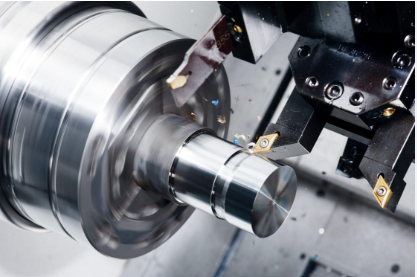
Vos activités de maintenance doivent s'accompagner d'une stratégie globale respectant les normes établies afin de prolonger la durée de vie des équipements CNC.
Les opérateurs de machines à commande numérique commettent leur erreur la plus grave en retardant la détection d'une panne. Le système de maintenance utilise des mesures préventives, telles que des inspections régulières, la lubrification et les réparations planifiées, afin d'éviter les pannes.
Une maintenance approfondie ponctuelle ne suffit pas. Les opérations de maintenance quotidiennes, effectuées tout au long de la semaine et du mois, ont l'impact le plus significatif sur l'efficacité opérationnelle. La régularité de ces contrôles mineurs constitue une mesure préventive efficace contre les pannes importantes.
La durée de vie d'une machine CNC dépend de trois facteurs interdépendants :
Facteur | Impact sur la durée de vie |
État de la machine | L'usure, la lubrification et l'étalonnage influent sur les performances |
Compétences de l'opérateur | Une manipulation correcte réduit les erreurs et les dommages |
Environnement | La température, la poussière et l'humidité influencent la durabilité |
L'avenir de la maintenance des machines à commande numérique repose sur des approches prédictives exploitant les données de capteurs, les systèmes logiciels et le suivi des performances des équipements. Ce système offre une solution de surveillance permettant aux entreprises d'observer en temps réel l'état de leurs équipements et d'identifier les éventuels problèmes opérationnels.
Le bon fonctionnement des équipements CNC repose sur un calendrier de maintenance qui définit le cadre de leur durée de vie opérationnelle. Un plan de maintenance proactif garantit la fiabilité de vos équipements tout au long de leur cycle de vie, vous assurant ainsi des performances précises et fiables. Les entreprises qui entretiennent leurs équipements CNC conformément aux procédures de maintenance établies subissent moins d'interruptions de service et réduisent leurs dépenses de réparation.
L'entretien quotidien nécessite de multiples interventions et un travail continu pour être efficace. Le système requiert une maintenance régulière, qui comprend la vérification du niveau de liquide de refroidissement, la lubrification et l'élimination des copeaux des zones critiques.
Les opérateurs doivent également prêter attention aux bruits ou vibrations inhabituels, car il s'agit souvent de signes avant-coureurs de problèmes plus graves. La maintenance quotidienne des machines CNC, qui ne prend que quelques minutes, permet aux entreprises de réduire considérablement les arrêts de production imprévus.
Le processus d'inspection pour la maintenance hebdomadaire exige l'identification des composants mineurs nécessitant des réglages. Ce processus requiert une évaluation complète du système, incluant la vérification des filtres, l'inspection des porte-outils et l'évaluation de l'état des courroies et des connexions.
La phase actuelle permettra d'identifier les limites d'utilisation des équipements qui entraînent leur dégradation opérationnelle. Une machine CNC bien entretenue fonctionne avec fluidité et ses composants produisent des mesures exactes, condition essentielle à une production de précision.
La maintenance des machines à commande numérique (CNC) exige des inspections et des étalonnages approfondis et réguliers. Les composants d'un système subissent une détérioration naturelle au fil du temps en raison de variations d'alignement et d'une baisse de performance, ce qui nécessite une gestion appropriée du système.
Fréquence | Points clés |
Mensuel | Les trois tâches de ce mois-ci consistent à inspecter les composants, à vérifier les niveaux de lubrification et à examiner l'état de l'alignement. |
Trimestriel | Les trois tâches pour cette période consistent à évaluer les performances, à nettoyer le système et à réaliser une analyse de l'usure des matériaux. |
Annuellement | Les trois opérations de maintenance annuelles comprennent l'étalonnage complet du système, la vidange d'huile et les mises à niveau du système. |
Le respect d'un calendrier structuré comme celui-ci contribue à prolonger la durée de vie de la commande numérique tout en maintenant des performances et une fiabilité optimales.
La maintenance des machines CNC repose sur une lubrification et une gestion du liquide de refroidissement optimales, deux éléments essentiels à leur bon fonctionnement. Un manque de lubrification adéquate entraîne une augmentation du frottement entre les composants, ce qui accélère leur usure et diminue la productivité. Une mauvaise gestion du liquide de refroidissement a des conséquences néfastes sur les performances de coupe, la durabilité des outils et le fonctionnement de la machine.

Le processus de lubrification assure le bon fonctionnement des pièces essentielles, notamment les glissières et les vis à billes. Une lubrification adéquate de ces composants réduit les contraintes sur la machine et permet à l'équipement de conserver sa précision pendant une durée prolongée.
Le liquide de refroidissement remplit deux fonctions essentielles : il contribue à réguler la température tout en évacuant les copeaux. Le maintien d’une concentration adéquate est primordial, car un dosage inapproprié peut réduire l’efficacité du refroidissement ou entraîner corrosion et contamination. Le processus de surveillance permet de vérifier le bon fonctionnement du système de refroidissement afin d’optimiser la capacité de la machine et de prolonger la durée de vie des outils.
De nombreuses entreprises réduisent sans le savoir la durée de vie de leurs machines CNC en commettant de simples erreurs :
• Composants surlubrifiés (attirent la poussière et les débris)
• Utilisation de mélanges de liquide de refroidissement incorrects
• Ignorer le liquide de refroidissement contaminé ou sale
• Négliger les intervalles de lubrification
• Utilisation de lubrifiants de mauvaise qualité
Éviter ces erreurs peut prolonger considérablement la durée de vie de la machine CNC et améliorer sa fiabilité.
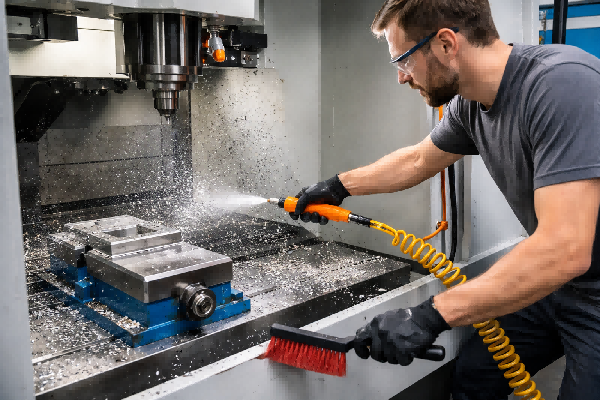
Les performances des machines CNC dépendent de leur propreté, pourtant son importance est souvent sous-estimée. Le processus d'usinage génère des copeaux et des débris qui s'accumulent et forment des obstacles affectant les pièces essentielles de la machine. L'accumulation de ces matériaux finit par endommager les machines, obstrue les systèmes de lubrification et diminue la précision. Un entretien régulier améliore les performances d'une machine CNC et prolonge sa durée de vie.
Le processus de nettoyage empêche les frottements et les contaminations d'affecter les composants mobiles. Le système assure une circulation d'air et un refroidissement optimaux afin de prévenir toute surchauffe. La machine nécessite des méthodes de nettoyage appropriées pour son entretien. Selon les opérateurs, la méthode la plus rapide consiste à utiliser de l'air comprimé. Cependant, cette méthode projette les débris dans les pièces délicates des machines, notamment les moteurs et les roulements, créant ainsi des dommages cachés qui se développent avec le temps.
L'optimisation des paramètres de coupe permet d'allonger la durée de vie des machines CNC et d'améliorer ainsi les résultats d'usinage. En effet, des vitesses d'avance et de rotation incorrectes peuvent entraîner une surchauffe, des vibrations et une usure prématurée de la machine.
Chaque matériau requiert des conditions de coupe spécifiques, que les opérateurs doivent respecter afin d'éviter d'endommager l'équipement et les outils. Une utilisation intensive d'une machine augmentera la production à court terme, mais réduira sa fiabilité sur le long terme.
Le choix de l'outil est également crucial. Choisir l'outil approprié améliore l'efficacité et réduit la résistance à la coupe, tout en protégeant la broche et les autres composants de la machine contre les dommages excessifs. L'utilisation d'outils émoussés ou inadaptés engendre des contraintes supplémentaires sur la machine, ce qui se traduit par un état de surface médiocre et un risque de panne.
La durée de vie des machines CNC dépend à la fois des progrès technologiques et du savoir-faire des opérateurs qualifiés. L'utilisation quotidienne d'une machine détermine sa durée de vie opérationnelle et ses performances.
Les opérateurs bien formés savent utiliser les machines sans les surcharger ni les endommager. Ils démarrent la machine au bon moment, respectent les procédures d'arrêt, utilisent les bons réglages de coupe et effectuent la maintenance CNC essentielle sans qu'on leur rappelle de le faire.
La première ligne de défense pour les opérations de maintenance des machines à commande numérique (CNC) repose sur les opérateurs. Ces derniers détectent les signes avant-coureurs grâce aux méthodes suivantes :
• Bruits inhabituels
• changements de vibration
• Usure des outils
• Problèmes de liquide de refroidissement
La détection précoce permet d'éviter que de petits problèmes ne se transforment en défaillances majeures.
Le processus de formation renforce les normes de sécurité tout en augmentant la productivité. Les opérateurs connaissant les capacités des machines commettront moins d'erreurs susceptibles d'endommager le matériel et de surcharger le système. Le matériel reste protégé et le flux de travail est optimisé.
Les procédés de fabrication actuels exigent des méthodes de maintenance avancées, différentes des techniques traditionnelles de maintenance des machines CNC. L'industrie a commencé à utiliser des méthodes de maintenance prédictive, qui exploitent les technologies intelligentes pour prolonger la durée de vie des machines CNC.
Le système utilise des données en temps réel pour surveiller l'état des machines, s'affranchissant ainsi des contrôles de maintenance planifiés. Des capteurs analysent les performances grâce aux données de température, de vibrations, de charge et de fonctionnement de la broche. Les informations recueillies permettent de détecter les problèmes potentiels avant qu'ils ne s'aggravent et ne deviennent des pannes majeures.
Cette approche présente son principal avantage grâce à la planification précise des interventions de maintenance. Celles-ci sont réalisées au moment le plus opportun, entre lequel les besoins de maintenance débutent et se terminent. Ce processus réduit les interventions inutiles et prévient les pannes inattendues des équipements.
Les systèmes CNC modernes peuvent être intégrés à des logiciels qui analysent en continu les données machine. Ces systèmes envoient des alertes lorsque les paramètres de fonctionnement dépassent les seuils définis, permettant ainsi aux opérateurs de résoudre les problèmes immédiatement.
Le processus de collecte de données permet de dégager des tendances, ce qui sert de base à l'élaboration de plans de maintenance des machines à commande numérique (CNC) améliorant les résultats opérationnels à long terme. Les entreprises qui utilisent des systèmes de maintenance prédictive bénéficient d'une augmentation du temps d'exploitation, d'une efficacité accrue et d'une durée de vie prolongée de leurs équipements.
L'environnement d'utilisation de votre machine CNC détermine ses performances et sa durée de vie. Même une machine CNC de haute qualité perd en précision, ce qui entraîne une dégradation plus rapide du matériel lorsqu'elle est utilisée dans des environnements inadaptés.
Les équipements subissent des dommages dus aux variations de température, à une forte humidité et aux particules de poussière en suspension dans l'air. Ces éléments affectent aussi bien les pièces mécaniques que les systèmes électroniques sensibles.
• Stabilité thermique : Les composants des machines subissent une dilatation et une contraction, ce qui perturbe les opérations précises en raison de variations brusques de température.
• Contrôle de l'humidité : Un excès d'humidité crée les conditions propices à la formation de rouille et aux dysfonctionnements du système électrique.
• Gestion des poussières : Les particules fines peuvent pénétrer dans les pièces critiques et réduire l'efficacité.
• Isolation des vibrations : L'existence de vibrations externes crée des problèmes tant pour le processus d'usinage que pour l'état général de la machine.
La méthode de maintenance exige que toutes les machines CNC fonctionnent dans un environnement qui maintient la propreté et la stabilité, et un contrôle total afin d'obtenir une durée de vie maximale de l'équipement.
Même avec un entretien optimal, toutes les machines CNC nécessiteront tôt ou tard le remplacement de composants. La fluidité des opérations dépend de la gestion efficace des pièces de rechange, tandis que les temps d'arrêt engendrent des coûts supplémentaires.
Le processus de production subit d'importants retards car les entreprises doivent attendre longtemps pour obtenir des pièces de rechange en cas de panne d'équipement. L'entreprise a besoin d'un système planifié pour assurer la disponibilité des pièces de rechange nécessaires à son fonctionnement.
• Composants d'usure fréquemment utilisés tels que les courroies et les joints d'étanchéité
• Composants électroniques critiques difficiles à se procurer rapidement
• Composants des filtres et du système de lubrification
• Outils et supports de secours
Le système de gestion des stocks garantit une résolution immédiate de tous les problèmes mineurs de production, préservant ainsi le calendrier de production. Il réduit de 95 % les demandes d'approvisionnement urgentes, ce qui engendre une diminution des coûts et un allongement des délais.
Les machines CNC subissent leur plus forte réduction de durée de vie car les chocs entraînent des interruptions majeures de leur fonctionnement. Les dommages causés par un seul choc peuvent aller jusqu'à la destruction de la broche, le désalignement des axes et des dommages structurels permanents.
La plupart des pannes sont dues à des erreurs humaines, combinées à une programmation inexacte et à une configuration incorrecte. De ce fait, il est essentiel de privilégier la prévention plutôt que la réparation.
• Vérifiez toujours les trajectoires d'outil avant l'exécution.
• Vérifiez attentivement les positions zéro et les décalages.
• Fixez correctement les pièces à usiner
• Surveillez de près les essais initiaux.
La surcharge représente un problème critique, souvent méconnu. Le fonctionnement d'un équipement au-delà de sa capacité nominale engendre une augmentation des contraintes sur ses composants, ce qui accélère l'usure et peut entraîner des pannes. Il est donc essentiel de définir des limites de fonctionnement appropriées et d'assurer une surveillance rigoureuse afin de garantir des performances optimales de votre machine CNC tout au long de sa durée de vie.
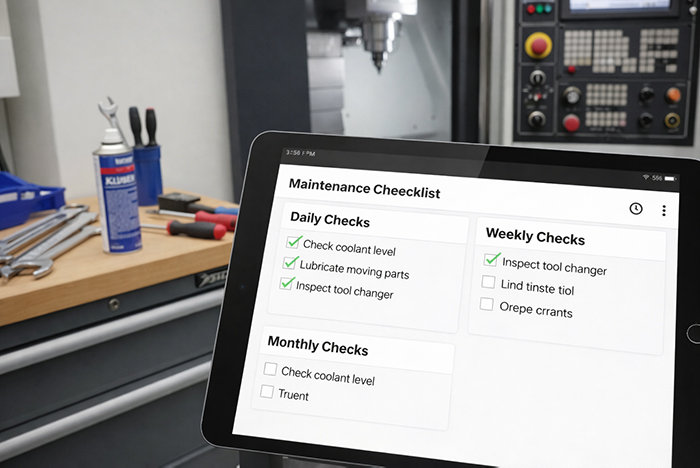
La liste de contrôle structurée pour la maintenance des machines CNC établit des procédures opérationnelles standard pour les opérateurs et leur évite d'omettre des tâches essentielles. La méthode la plus efficace pour prolonger la durée de vie des machines CNC et réduire les temps d'arrêt non planifiés consiste à effectuer des inspections régulières.
Fréquence | Tâches de maintenance |
Tous les jours | La journée commence par la surveillance du niveau de liquide de refroidissement, l'évaluation de sa concentration et l'élimination des copeaux et de la poussière, la vérification du niveau de lubrification et la surveillance du bruit de la machine afin de détecter toute anomalie. |
Hebdomadaire | La tâche de nettoyage comprend l'entretien des filtres, le nettoyage du convoyeur à copeaux, l'inspection du porte-outil, l'évaluation de l'état de la broche, la détection des fuites et l'évaluation des connexions desserrées. |
Mensuel | La procédure de maintenance nécessite l'inspection des courroies et des tuyaux, la vérification de l'alignement de la machine, l'évaluation du système de lubrification et le nettoyage du réservoir de liquide de refroidissement si nécessaire. |
Annuel | Le système complet de la machine nécessite un étalonnage qui comprend l'étalonnage complet de la machine, le remplacement des composants, le remplacement de l'huile hydraulique, l'installation du logiciel et la sauvegarde du système de données. |
La maintenance des machines à commande numérique (CNC) génère des avantages financiers directs, se traduisant par des bénéfices pour les entreprises manufacturières. Un entretien adéquat assure la longévité des machines CNC et permet ainsi aux entreprises d'atteindre des cadences de production élevées tout en réduisant les contraintes opérationnelles.
Un entretien adéquat d'une machine CNC lui permet de fonctionner de manière productive pendant 5 à 10 ans supplémentaires, selon les conditions d'utilisation et les pratiques de maintenance. L'allongement de la durée de vie des machines industrielles se traduit par un meilleur retour sur investissement, car un équipement coûteux génère des rendements plus élevés.
La réduction des coûts de réparation, conjuguée à celle des coûts liés aux pannes, constitue un autre avantage important. Le programme de maintenance préventive des machines à commande numérique (CNC) aide les entreprises à diminuer de 40 à 60 % les coûts des pannes imprévues en leur permettant de détecter et de réparer les problèmes mineurs avant qu'ils ne dégénèrent en pannes majeures.
La productivité augmente car les machines fonctionnent à leur rendement maximal sans pannes fréquentes. Il en résulte une précision d'usinage stable et des temps de cycle constants, ce qui améliore la satisfaction client.
Le processus de maintenance des machines CNC génère tous les avantages qui prolongent la durée de vie des machines, diminuent les temps d'arrêt opérationnels et augmentent la rentabilité pendant toute la durée d'exploitation de l'entreprise.
De petites erreurs se produisent même chez les opérateurs qualifiés travaillant en atelier, ce qui a des effets négatifs sur les performances et la durée de vie des machines CNC.
La plupart des gens négligent d'effectuer l'entretien régulier de leurs équipements. Les contrôles quotidiens, hebdomadaires et mensuels doivent être effectués avec soin, car leur absence entraîne des pannes majeures, souvent dues à de petits problèmes de fonctionnement.
La combinaison de vibrations, de bruits inhabituels, de surchauffe et de fuites mineures constitue un indicateur précoce de dysfonctionnement des machines. Ignorer ces signes peut engendrer des coûts importants et des retards de production pour l'entreprise.
L'utilisation de liquides de refroidissement et de lubrifiants de mauvaise qualité ou inadaptés constitue une autre erreur majeure, source de problèmes de fonctionnement. Il en résulte une augmentation du frottement, qui endommage les composants internes et entraîne une perte de productivité globale.
L'absence de formation adéquate permet aux opérateurs de manipuler les machines de manière incorrecte, ce qui entraîne des procédures d'utilisation dangereuses et des erreurs de machine qui diminuent la durée de vie des équipements.
Comment puis-je augmenter la durée de vie de ma machine CNC ?
Les machines CNC dureront plus longtemps si vous suivez les procédures de maintenance préventive, qui comprennent des pratiques de lubrification correctes, un entretien approprié du liquide de refroidissement et un personnel formé qui utilise correctement les machines.
Quel est le conseil le plus important en matière d'entretien des machines CNC ?
La recommandation la plus importante en matière d'entretien des machines CNC est la maintenance préventive. Des contrôles réguliers permettent de détecter les problèmes mineurs à un stade précoce, ce qui vous protège contre les pannes coûteuses.
À quelle fréquence faut-il entretenir les machines CNC ?
Des contrôles quotidiens de l'état de fonctionnement doivent être effectués, tandis que les tâches de maintenance hebdomadaires doivent avoir lieu une fois par semaine, et les inspections mensuelles vérifieront tous les composants internes, et le système complet doit subir un processus d'étalonnage principal au moins une fois tous les 12 mois.
Qu’est-ce qui réduit le plus la durée de vie des machines CNC ?
La durée de vie des machines CNC diminue principalement en raison d'un manque d'entretien, de réglages de coupe incorrects, d'une lubrification insuffisante et d'erreurs de l'opérateur.
La maintenance professionnelle des machines CNC est-elle nécessaire ?
Oui, les services de maintenance professionnels deviennent essentiels lorsque les techniciens doivent effectuer des réparations complexes d'équipements, l'étalonnage de systèmes et le dépannage de logiciels, ainsi que des interventions sur des systèmes hydrauliques et pneumatiques.
Quel est le retour sur investissement de la maintenance des machines CNC ?
La maintenance des machines CNC remplit des fonctions essentielles car elle prolonge la durée de fonctionnement de la machine de 5 à 10 ans, tout en réduisant les frais de réparation de 50 %, ce qui entraîne des améliorations significatives du retour sur investissement.
L'industrie manufacturière exige des entreprises qu'elles exploitent pleinement leurs ressources en machines à commande numérique (CNC), car ces machines sont devenues des éléments essentiels à la réussite opérationnelle. Un entretien régulier, une surveillance intelligente des équipements, une lubrification adéquate et une utilisation experte des systèmes permettent d'optimiser la durée de vie des machines et d'assurer leur bon fonctionnement.
Les entreprises qui entretiennent leurs machines CNC en parfait état bénéficient d'avantages opérationnels continus, ce qui se traduit par une augmentation de la production industrielle et une meilleure santé financière. Il est temps d'améliorer les performances de votre machine CNC et d'en prolonger la durée de vie. Chez CNC Yangsen, découvrez des solutions CNC complètes, incluant des machines hautes performances dotées de technologies de pointe et un accompagnement personnalisé.
CNC Yangsen fournit une technologie CNC fiable, vous permettant d'améliorer votre efficacité de production.