
Si votre processus de finition est trop long, trop coûteux ou ne vous permet toujours pas d'obtenir la qualité de surface attendue, vous n'êtes pas seul.
Ce dont vous avez vraiment besoin, ce n'est pas seulement d'un meilleur outil, mais d'une façon plus intelligente d'utiliser votre centre d'usinage CNC plus efficacement.
Dans cet article, vous découvrirez comment les fraises à segments circulaires peuvent vous aider à réduire les temps de cycle, à améliorer la finition de surface et à optimiser le rendement de vos machines existantes, notamment si vous travaillez avec des surfaces complexes ou si vous utilisez une Machine CNC 5 axes.
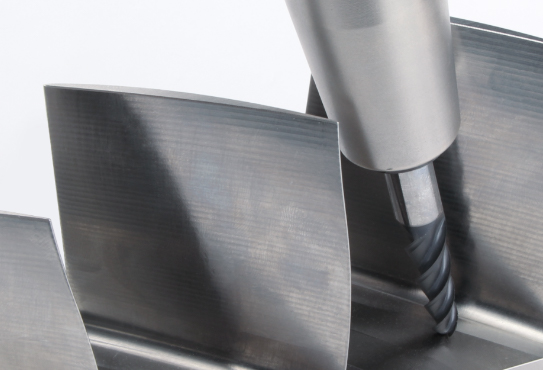
Un outil de coupe pour segments circulaires est un outil de coupe CNC spécialisé, conçu pour une finition de surface à haute efficacité.
Contrairement aux fraises à bout sphérique traditionnelles, elle présente un rayon effectif beaucoup plus grand, ce qui lui permet de couvrir une plus grande surface en une seule passe.
Au lieu de couper point par point, ce type d'outil fonctionne davantage comme une fraise à « large contact », ce qui le rend idéal pour l'usinage de courbes complexes et de surfaces 3D.
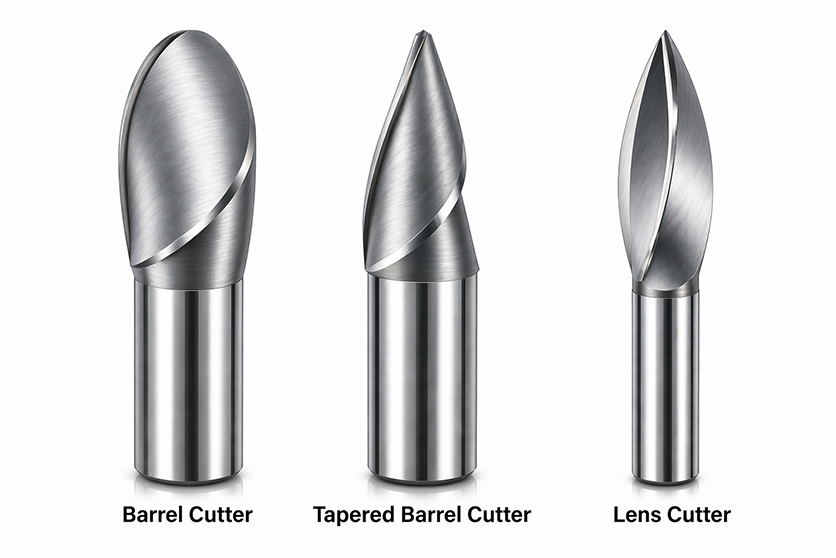
Fraises à barillet – Idéales pour l'usinage général des surfaces courbes
Fraises coniques – Idéales pour les surfaces inclinées ou profondes
Outils de coupe pour lentilles – Adaptés aux finitions de précision et aux géométries complexes
Utilisées sur un centre d'usinage CNC, notamment une machine CNC 5 axes, les fraises à segments circulaires permettent de :
Augmenter le pas de croisement sans perdre en précision
Réduire les passes d'outil
Obtenez des surfaces plus lisses avec moins d'efforts
Vous enlevez plus de matière, en moins de temps, avec de meilleurs résultats.
La principale différence réside dans la manière dont l'outil entre en contact avec la surface.
Avec une fraise à bout sphérique traditionnelle, la coupe s'effectue en un seul point.
Cela implique un faible pas latéral, davantage de trajectoires d'outil et un temps d'usinage plus long.
Les emporte-pièces pour segments de cercle fonctionnent différemment.
Ils utilisent un tranchant à grand rayon pour créer un contact linéaire plutôt que ponctuel.
Cela vous permet d'augmenter considérablement la hauteur de franchissement tout en conservant une surface lisse.
Cela signifie:
Vous pouvez enlever plus de matière à chaque passage.
Vous avez besoin de moins de trajectoires d'outil pour réaliser la même surface.
Vous réduisez le temps d'usinage total sur votre centre d'usinage CNC.
Pour que cela fonctionne efficacement, l'orientation de l'outil est essentielle.
C’est pourquoi les découpeuses de segments de cercle sont plus performantes sur :
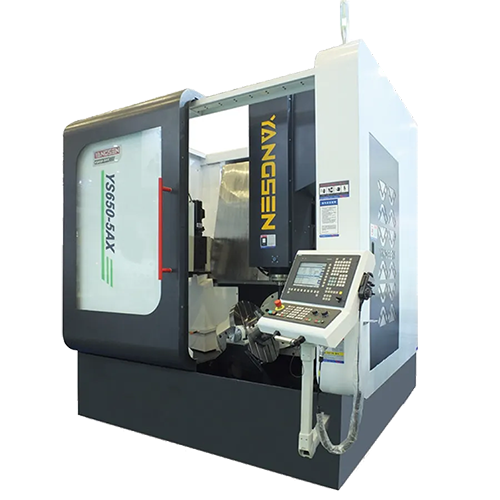
Centres d'usinage CNC 5 axes
Machines CNC de haute précision et de haute stabilité
Ces machines permettent de maintenir l'outil à l'angle optimal, assurant ainsi un contact constant et de meilleurs résultats.
Si votre processus de finition ralentit votre production, c'est là que vous constaterez la plus grande différence.
Grâce à leur grand rayon effectif, les fraises à segments circulaires permettent un pas de coupe beaucoup plus important.
Cela signifie moins de passes, des trajectoires d'outil plus courtes et un temps de cycle considérablement réduit.
Vous n'obtenez pas seulement de la vitesse, vous obtenez de la qualité.
Grâce à une trajectoire de coupe plus lisse et à une hauteur de feston réduite, les fraises à segments circulaires produisent une surface beaucoup plus fine directement issue de l'usinage.
Pour vous, cela signifie :
Moins de polissage manuel
Qualité de surface plus homogène
Livraison plus rapide à votre client
Le temps machine de votre machine est précieux.
Lorsque la finition prend moins de temps, votre centre d'usinage CNC est disponible plus rapidement pour la tâche suivante.
Cela signifie :
Utilisation accrue des machines
Plus de pièces produites par jour
Un meilleur retour sur investissement pour votre équipement
Au lieu de concentrer la force de coupe sur un seul point, la charge est répartie sur une plus grande surface de contact.
Cela donne :
Usure réduite des outils
Performances de coupe plus stables
Moins de changements d'outils inattendus
Associée à une machine CNC rigide et de haute précision, la durée de vie de l'outil peut être considérablement prolongée.
Pour l'usinage de géométries complexes, les outils traditionnels atteignent rapidement leurs limites.
Les emporte-pièces pour segments de cercle sont particulièrement efficaces pour :
surfaces de moules et matrices
Composants aérospatiaux
Pièces automobiles à profils courbes
Utilisés sur un centre d'usinage CNC 5 axes, ils permettent de maintenir un contact optimal même sur des angles difficiles et des surfaces profondes.
Au final, tout se résume au coût.
En combinant un usinage plus rapide, une meilleure qualité de surface et une durée de vie des outils plus longue, vous pouvez :
Réduire le temps d'usinage total
Coûts de main-d'œuvre et de finition réduits
Améliorer l'efficacité globale de la production
Vous y consacrez moins de temps, moins d'efforts et obtenez de meilleurs résultats.
En matière de finition de surface, les fraises à segments circulaires ne sont pas la seule option.
De nombreux ateliers utilisent encore des fraises à bout sphérique, qui constituent depuis longtemps un choix standard pour l'usinage de surfaces complexes sur un centre d'usinage CNC.
Ces deux outils permettent d'obtenir des finitions de surface de grande qualité, mais de manières très différentes.
Les fraiseuses à segments circulaires sont conçues pour l'efficacité, utilisant un grand rayon effectif pour couvrir une plus grande surface à chaque passage.
Les fraises à bout sphérique, quant à elles, reposent sur un contact ponctuel, ce qui nécessite un pas latéral plus court et davantage de trajectoires d'outil.
Fonctionnalité | Coupe-segments de cercle | Fraises à bout sphérique |
Contact de coupe | Ligne / grand rayon | Point de contact |
Passage par-dessus | Grand | Très petit |
Vitesse d'usinage | Très haut | Relativement lent |
Finition de surface | Excellent | Modéré |
Longueur du parcours d'outil | Plus court | Plus long |
Configuration requise pour la machine | Idéal sur une machine CNC 5 axes | Fonctionne sur des machines à 3 axes |
Choisissez les emporte-pièces pour segments circulaires si vous souhaitez :
Réduisez considérablement le temps de finition
Améliorer la qualité de surface sans polissage supplémentaire
Augmentez la productivité de votre centre d'usinage CNC.
Usiner des surfaces courbes de grande taille ou complexes
Résultats optimaux avec un centre d'usinage CNC 5 axes
Choisissez une fraise à bout sphérique si nécessaire :
Machiner les petits détails ou les zones restreintes
Travaillez sur des géométries simples
Utiliser la norme Machines CNC à 3 axes
Effectuer des tâches de finition générales
Les fraises à segments circulaires peuvent améliorer considérablement l'efficacité et la qualité de surface, mais leurs performances dépendent fortement de la machine sur laquelle elles fonctionnent.
Si votre configuration actuelle ne vous offre pas suffisamment de stabilité, de précision ou de flexibilité, vous risquez de ne pas profiter pleinement des avantages que ces outils sont conçus pour apporter.
Contrairement aux outils traditionnels, les fraises à segments circulaires dépendent fortement du maintien d'un angle de contact correct avec la pièce à usiner.
Dans de nombreux cas, notamment lors de l'usinage de surfaces 3D complexes, cela ne peut être réalisé avec une position d'outil fixe.
Un centre d'usinage CNC 5 axes permet un réglage continu de l'angle de l'outil, garantissant :
Contact de coupe uniforme sur toute la surface
Meilleure finition de surface sur les géométries courbes
Exécution plus efficace des trajectoires d'outils
Sans capacité 5 axes, l'outil ne peut pas exploiter pleinement son grand rayon effectif, ce qui limite son avantage.
Comme les fraises à segments circulaires engagent une plus grande surface du matériau, les forces de coupe sont réparties sur une zone plus étendue.
Cela engendre des exigences accrues en matière de rigidité des machines.
Un centre d'usinage CNC à haute rigidité permet de :
Réduisez les vibrations pendant la découpe
Maintenir la précision dimensionnelle
Prévenir la déviation de l'outil
Si la structure de la machine n'est pas suffisamment stable, cela peut entraîner des résultats incohérents ou une durée de vie réduite des outils.
L'un des principaux avantages des fraises à segments circulaires est la possibilité d'augmenter le pas horizontal tout en maintenant la qualité de surface.
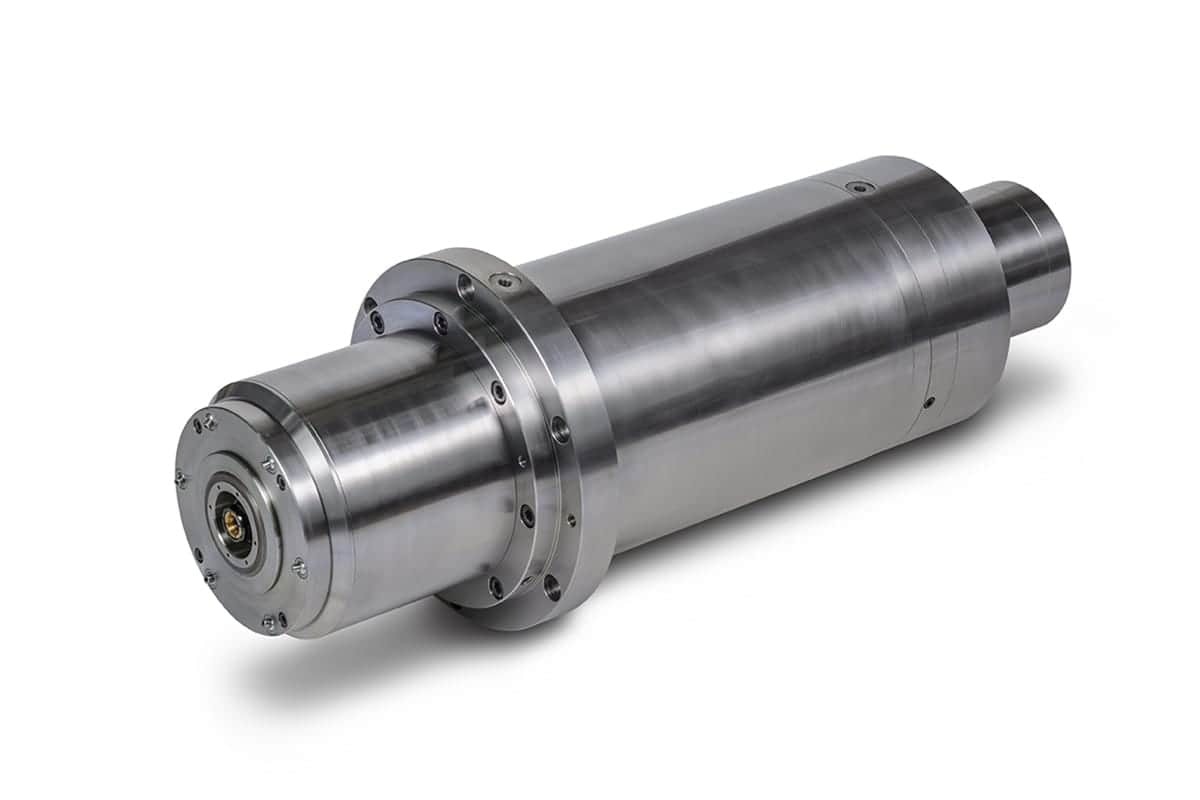
Pour ce faire, la broche doit pouvoir supporter des vitesses d'avance plus élevées sans problème.
Un centre d'usinage à grande vitesse permet :
Élimination plus rapide des matériaux sans compromettre la finition
Coupe plus stable à des vitesses plus élevées
Amélioration de la productivité globale
Sans des performances de broche suffisantes, les gains d'efficacité escomptés risquent de ne pas se concrétiser.
Les fraises à segments circulaires nécessitent généralement des stratégies d'usinage plus avancées, notamment dans les applications multi-axes.
Cela signifie que le système CNC doit être capable de gérer :
Calculs complexes de trajectoire d'outil
Interpolation multi-axes lisse
Positionnement précis et contrôle du mouvement
Un système de commande numérique moderne garantit que l'outil de coupe suit avec précision la trajectoire prévue, ce qui influe directement sur la qualité de surface et l'efficacité d'usinage.
Outre la machine elle-même, la programmation joue également un rôle crucial.
Tous les logiciels de FAO ne prennent pas en charge les stratégies optimisées pour les fraises à segments circulaires.
Pour tirer pleinement parti de cet outil, votre système FAO doit prendre en charge :
Stratégies de trajectoire d'outil pour les tonneaux
Contrôle d'orientation d'outil multi-axes
Algorithmes de finition efficaces
Sans un support de programmation adéquat, même la meilleure combinaison machine-outil ne peut pas fonctionner à son plein potentiel.
Si vous n'obtenez pas les améliorations attendues en termes de vitesse ou de qualité de surface, la limitation ne vient peut-être pas de la fraise, mais souvent de la configuration de la machine qui la contrôle.
En pratique, de nombreux fabricants ne constatent les gains les plus importants qu'après avoir combiné des fraises à segments circulaires avec un centre d'usinage CNC plus performant, notamment un centre doté de capacités multi-axes et de performances dynamiques élevées.
Tous les travaux ne nécessitent pas un coupe-segments circulaires.
L'essentiel est de savoir quand cela vous donne réellement un avantage.
Si la majeure partie de votre temps d'usinage est consacrée à la finition plutôt qu'à l'ébauche, c'est un signe clair que votre processus peut être optimisé.
Les emporte-pièces pour segments de cercle sont particulièrement efficaces lorsque :
La finition prend trop de temps.
Les trajectoires d'outils sont trop denses.
Votre centre d'usinage CNC est immobilisé pour des travaux de surface.
C’est là que le changement d’outils peut immédiatement améliorer l’efficacité.
Pour les pièces présentant de larges zones courbes, les outils traditionnels peinent souvent à trouver le juste équilibre entre vitesse et qualité.
Les fraises à segments circulaires sont plus adaptées à l'usinage :
Grandes surfaces de forme libre
Cavités de moisissure
composants aérospatiaux ou automobiles
Sur un centre d'usinage CNC à 5 axes, ils peuvent maintenir un meilleur contact malgré les changements d'angles.
Si vos pièces nécessitent une finition de surface impeccable dès l'usinage, le choix des outils devient crucial.
Vous devriez envisager l'utilisation d'emporte-pièces pour segments de cercle lorsque :
Vous souhaitez réduire les travaux de polissage
La consistance de la surface est importante
Le retravail devient un problème
Ils permettent d'obtenir directement une finition plus lisse, ce qui représente un gain de temps lors des étapes suivantes.
Si vos machines fonctionnent en permanence mais que leur rendement reste limité, le problème n'est peut-être pas lié à la capacité, mais plutôt à l'efficacité.
Les emporte-pièces pour segments de cercle vous aident à :
Réduire les temps de cycle
Libérez plus rapidement votre centre d'usinage CNC
Augmenter le débit de production global
Parfois, l'objectif n'est pas seulement de résoudre un problème, mais d'améliorer l'ensemble du processus.
Il est judicieux d'envisager l'utilisation d'emporte-pièces pour segments de cercle lorsque :
Vous vous orientez vers un usinage à haut rendement
Vous introduisez l'usinage CNC 5 axes
Vous souhaitez tirer davantage de profit de votre investissement en équipement
Si votre processus de finition actuel vous semble lent, coûteux ou limite votre production, c'est probablement le bon moment pour envisager l'utilisation de découpeuses de segments circulaires.
À quoi sert principalement un coupe-segments circulaires ?
Les fraises à segments circulaires sont principalement utilisées pour la finition de grandes surfaces courbes et de géométries 3D complexes.
Ils sont particulièrement efficaces dans les applications exigeant à la fois une haute qualité de surface et un temps d'usinage réduit, comme la fabrication de moules et de composants aérospatiaux.
Ai-je besoin d'une machine CNC 5 axes pour utiliser des fraises à segments circulaires ?
Pas toujours, mais ça fait une grande différence.
Bien que certaines applications puissent fonctionner sur un centre d'usinage CNC à 3 axes, le véritable avantage des fraises à segments circulaires réside dans l'orientation précise de l'outil.
Une machine CNC à 5 axes permet à l'outil de maintenir un contact optimal, ce qui se traduit par une meilleure finition de surface et une efficacité accrue.
À quel gain d'efficacité puis-je m'attendre ?
Cela dépend de l'application, mais dans de nombreux cas, le temps de finition peut être considérablement réduit.
Grâce à un pas latéral plus important, les fraises à segments circulaires peuvent réduire le nombre de trajectoires d'outil, ce qui raccourcit directement le temps de cycle et améliore l'utilisation de la machine.
Les fraises à segments circulaires sont-elles meilleures que les fraises à bout sphérique ?
Elles ne sont pas toujours « meilleures » — elles sont plus efficaces dans les situations appropriées.
Pour la finition de grandes surfaces, les fraises à segments circulaires offrent des avantages indéniables en termes de vitesse et de qualité de surface.
Cependant, les fraises à bout sphérique restent utiles pour les petites pièces, les espaces restreints et l'usinage d'usage général.
Pourquoi n'obtiens-je pas les résultats escomptés avec les emporte-pièces pour segments de cercle ?
Dans de nombreux cas, la limitation ne réside pas dans l'outil lui-même.
Les performances dépendent de plusieurs facteurs, notamment :
Rigidité et précision de la machine
Stratégie de parcours d'outil
Capacité de programmation CAM
Si l'un de ces éléments fait défaut, la machine de découpe risque de ne pas fonctionner comme prévu.
Les fraises à segments circulaires peuvent-elles réduire les coûts d'usinage globaux ?
Oui, mais les économies proviennent de la combinaison de plusieurs facteurs.
En réduisant le temps d'usinage, en minimisant le travail de polissage et en améliorant la durée de vie des outils, vous pouvez diminuer les coûts de production globaux et augmenter le rendement de votre centre d'usinage CNC.
Les fraises à segments circulaires offrent un avantage indéniable en termes d'efficacité de finition, de qualité de surface et de performances d'usinage globales.
Mais leur véritable valeur réside dans la manière dont vous les utilisez.
Associées à un centre d'usinage CNC performant, notamment une machine CNC 5 axes, elles peuvent réduire considérablement le temps de cycle et vous aider à optimiser chaque opération d'usinage.
Si vous cherchez à améliorer votre productivité sans simplement ajouter de machines, optimiser votre stratégie d'outillage est un excellent point de départ.
Et si vous êtes prêt à aller plus loin, combiner les bons outils de coupe avec le bon équipement fera toute la différence.