Choisir un fabricant de centres d'usinage verticaux (VMC) est une décision stratégique qui influe directement sur la précision d'usinage, la stabilité de la production et les coûts d'exploitation à long terme. En milieu industriel, les compétences du fabricant ont souvent un impact plus important sur les performances et la disponibilité de la machine que les seules spécifications techniques.
Les fabricants établis de centres d'usinage verticaux (VMC) se distinguent par des facteurs tels que leur volume de production, la constance de leur ingénierie et leur infrastructure de service mondiale. Ces éléments influent sur la fiabilité des machines, la disponibilité des pièces de rechange et la capacité du fournisseur à assurer le support des plateformes standardisées tout au long du cycle de vie de la machine.
Ce guide compare les principaux fabricants de centres d'usinage verticaux à partir d'informations vérifiables issues de sources officielles, en mettant l'accent sur la capacité de production, la spécialisation des produits et la présence sur le marché. Son objectif est d'aider les acheteurs à identifier les fournisseurs qui offrent des performances éprouvées, un support évolutif et une valeur ajoutée durable dans des contextes de production réels.
Marque | Année de création | Quartier général | Caractéristiques |
DMG MORI | 1948 | Tokyo, Japon / Bielefeld, Allemagne | Vaste gamme de centres d'usinage verticaux, réseau mondial de production et de service, machines couvrant la production d'entrée de gamme jusqu'à la production à grande vitesse |
Yamazaki Mazak | 1919 | Ōguchi, Aichi, Japon | Gamme étendue de centres d'usinage verticaux, options d'automatisation intégrées, solide département R&D interne et capacités d'usinage multitâches |
CNC Yangsen | 2003 | Xiamen, Fujian, Chine | Installations de production modernes, capacité de production annuelle supérieure à 5 000 machines, gamme de centres d'usinage verticaux orientée vers l'exportation |
Haas Automation | 1983 | Oxnard, Californie, États-Unis | Production centralisée aux États-Unis, modèles VMC standardisés, système de distribution mondial Haas Factory Outlet (HFO). |
Makino | 1937 | Tokyo, Japon | Centres d'usinage verticaux (VMC) haute vitesse et haute précision, usinage à tolérances serrées et forte spécialisation dans les applications de moulage et aérospatiales |
Okuma | 1898 | Ōguchi, Aichi, Japon | Fabrication intégrée verticalement, structures VMC rigides, précision à long terme et stabilité des machines |
DN Solutions (Doosan) | 1973 | Changwon, Corée du Sud | Production CNC en grande série, solutions d'usinage axées sur l'automobile et une forte présence à l'export à l'échelle mondiale |
Hermle AG | 1938 | Gosheim, Allemagne | Centres d'usinage verticaux (VMC) et centres d'usinage 5 axes axés sur la précision, jouissant d'une solide réputation en matière d'usinage de haute précision. |
Hyundai WIA | 1976 | Changwon, Corée du Sud | Centres d'usinage verticaux (VMC) robustes et à grande vitesse, forte adoption dans la fabrication automobile et construction de machines robustes |
Machines-outils de Shenyang | 1938 | Shenyang, Chine | Fabricant de machines CNC de longue date, machines-outils robustes, solutions VMC compétitives orientées vers l'exportation |
Type d'entreprise :fabricant de machines-outils CNC
Emplacement:Tokyo, Japon (siège social mondial) ; Bielefeld, Allemagne (Europe)
Année de création :1948
Présentation du fabricant :
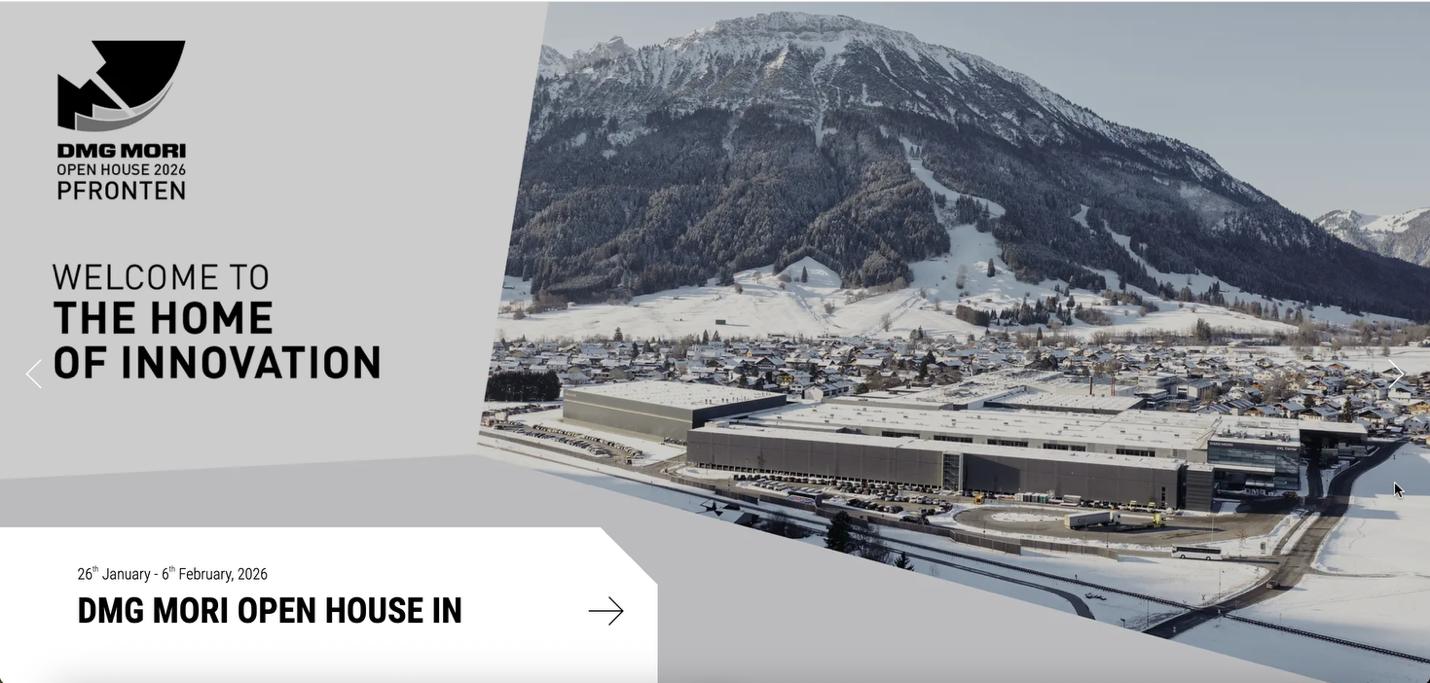
DMG MORI est représenté dans 44 pays à travers 124 ventes et les sites de service et exploite 17 usines de production à l'échelle mondiale. Dans son modèle « Global One Company », plus de 13 500 employés L'entreprise propose une gamme complète de solutions d'usinage, incluant le tournage, le fraisage (y compris les centres d'usinage verticaux), la rectification, l'alésage, le laser et la fabrication additive. Sa stratégie de transformation de l'usinage (MX) intègre l'intégration des processus, l'automatisation, la transformation numérique (DX) et la transformation écologique (GX). Elle promeut des solutions clés en main pour des secteurs tels que l'aéronautique et le spatial, l'automobile et la mobilité électrique, l'outillage et le moulage, le médical et les semi-conducteurs. Elle met également en avant des services de cycle de vie couvrant la formation, la maintenance, la réparation et la fourniture de pièces détachées.
Champ d'activité :
• Centres d'usinage verticaux (séries M, NVX, DMP)
• Centres d'usinage horizontaux
• Machines de tournage et de tournage-fraisage
• Systèmes de meulage et de lasertech
• Solutions d'automatisation
Raison recommandée :
• 17 usines de production dans le monde
• Plus de 13 000 machines produites chaque année
• Présence de services directs dans plus de 40 pays
• Large gamme de centres d'usinage verticaux, des modèles compacts à 3 axes aux plateformes prêtes pour l'automatisation
Type d'entreprise :fabricant de machines-outils CNC
Emplacement:Ōguchi, Aichi, Japon
Année de création :1919
Présentation du fabricant :
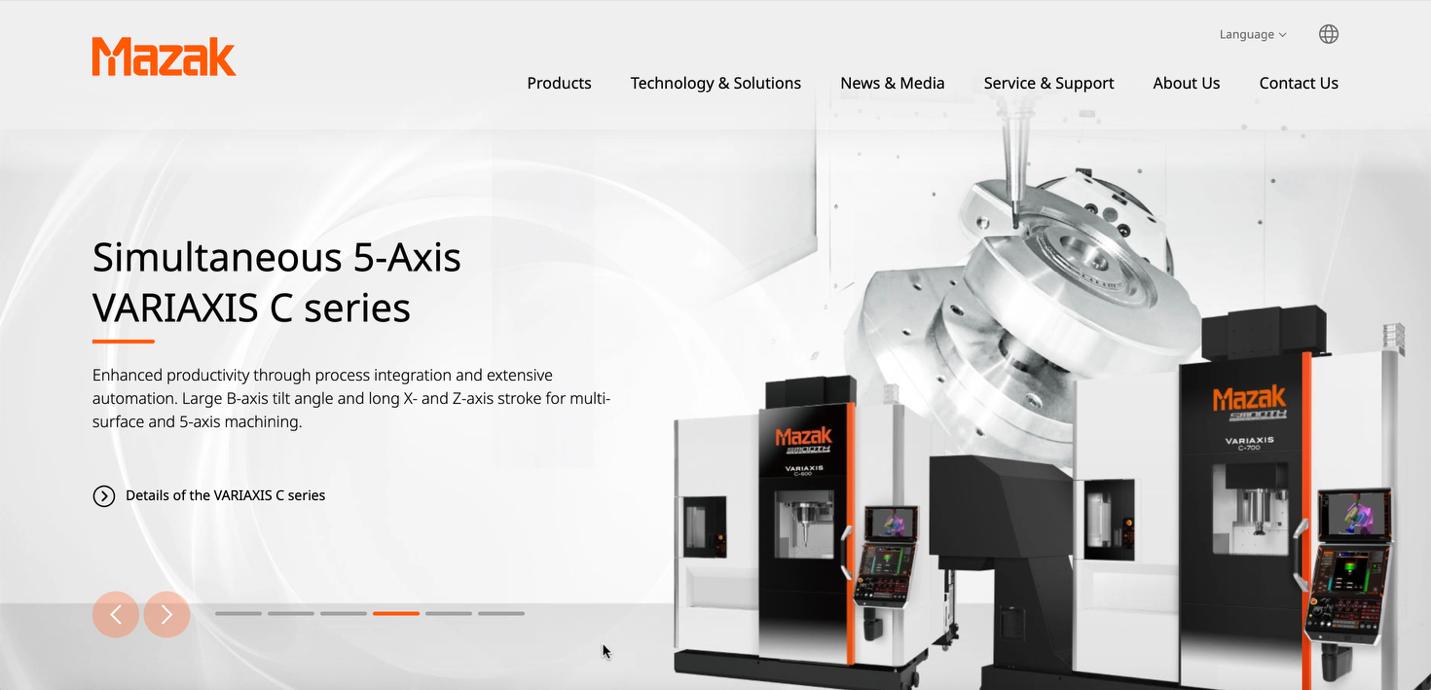
Yamazaki Mazak (fondé en 1919) répertorie 8 700 employés du groupe (Décembre 2024) à son siège mondial d'Oguchi, dans la préfecture d'Aichi, au Japon. Sa liste officielle d'installations de production comprend plusieurs usines japonaises ainsi que des sites de fabrication aux États-Unis, au Royaume-Uni, à Singapour, en Chine et en Inde, et elle rapporte 85 sites dans le monde entier (38 centres technologiques et 47 centres techniquesLa gamme de produits Mazak comprend des centres d'usinage verticaux ainsi que des centres d'usinage 5 axes, des centres de tournage CNC, des systèmes laser, des systèmes de fabrication flexibles (FMS), des logiciels de CAO/FAO et des logiciels d'aide à la production.
Champ d'activité :
• Centres d'usinage verticaux (Série VCN)
• Centres d'usinage horizontaux
• Machines multitâches
• Centres d'usinage 5 axes
• Commandes CNC (Mazatrol)
Raison recommandée :
• Plus de 100 ans de fabrication de machines-outils
• 11 sites de production mondiaux
• Présence dans plus de 80 pays
• Forte intégration des centres d'usinage verticaux (VMC) avec les systèmes de commande numérique (CNC) internes
Type d'entreprise :fabricant de centres d'usinage CNC
Emplacement:Xiamen, Fujian, Chine
Année de création :2003
Présentation du fabricant :
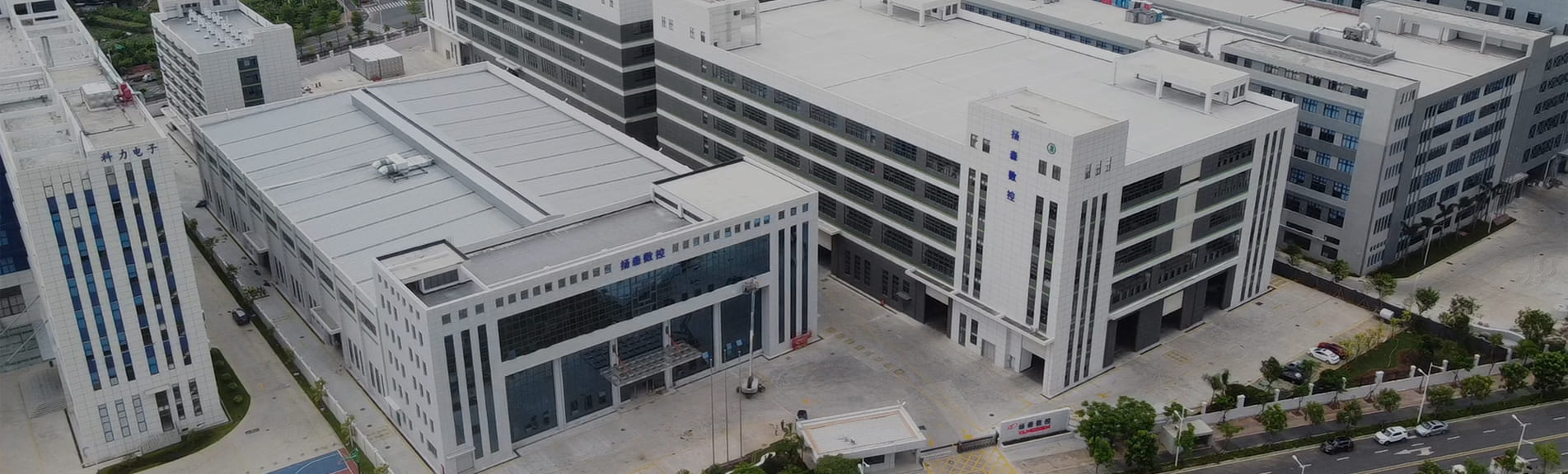
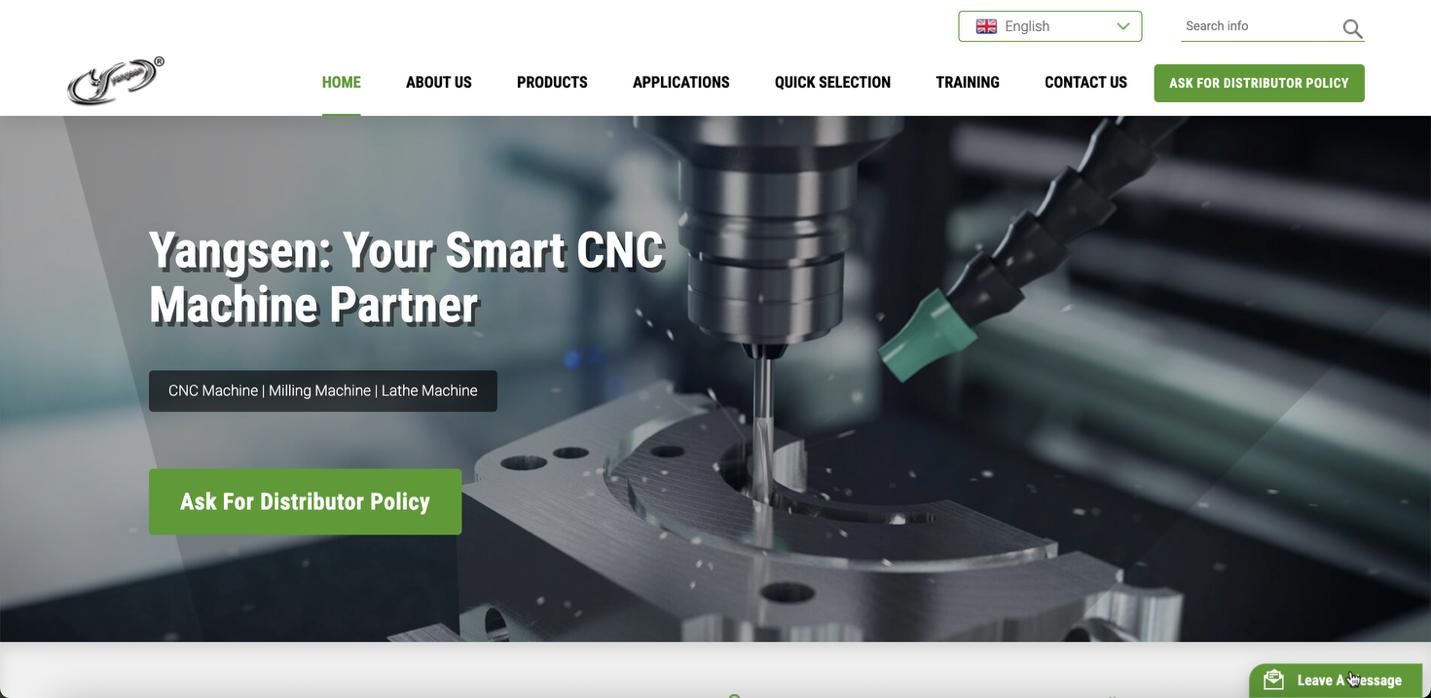
Yangsen annonce une base de production de 86 acres à Xiamen. Plus de 57 000 m² installations, Plus de 100 brevets, et Plus de 700 entreprises L'entreprise emploie un grand nombre de personnes. Sa gamme de produits publiée met l'accent sur les centres d'usinage verticaux, aux côtés de centres d'usinage horizontaux, de machines à double colonne et de modèles 5 axes. Ces indicateurs de performance, désormais connus, permettent aux acheteurs d'évaluer les capacités d'assemblage en interne, l'expertise technique et la continuité des programmes d'approvisionnement pluriannuels en centres d'usinage verticaux. L'entreprise est présente sur l'ensemble du spectre, de la R&D à la production, en passant par la vente directe.
Champ d'activité :
• Centres d'usinage verticaux
• Centres d'usinage horizontaux
• Centres d'usinage à double colonne
• Machines de fraisage CNC
Raison recommandée :
• Production annuelle de plus de 5 000 machines
• Fabricant axé sur l'exportation (plus de 50 pays)
• Spécialisation dédiée aux centres d'usinage
• Échelle de production compétitive parmi les fournisseurs chinois de VMC
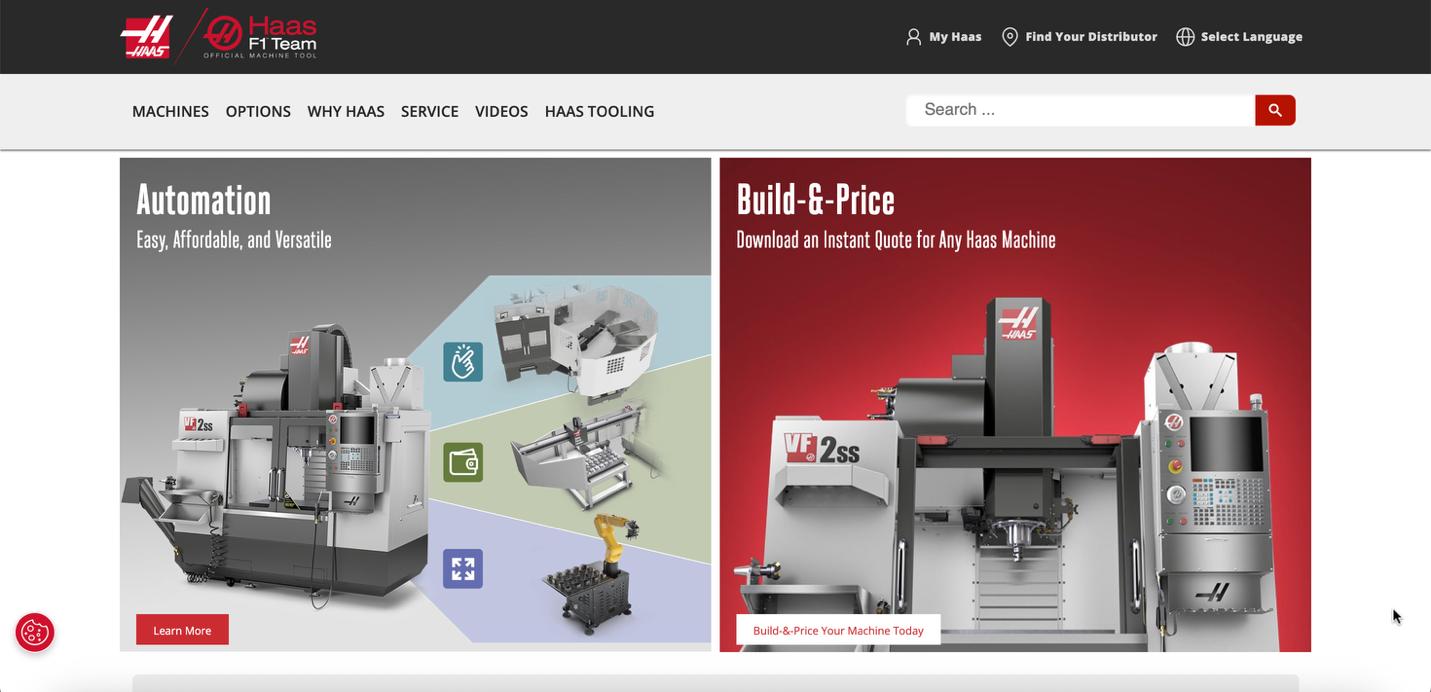
Type d'entreprise :fabricant de machines-outils CNC
Emplacement:Oxnard, Californie, États-Unis
Année de création :1983
Présentation du fabricant :
Haas fabrique ses produits dans une usine de 1,1 million de pieds carrés en Californie du Sud et assiste ses clients grâce à plus de 170 magasins d'usine Haas. Plus de 60 paysHaas fait état d'une base installée de Plus de 215 000 machines CNC dans le monde, avec une gamme de produits comprenant des centres d'usinage verticaux (VMC), des centres d'usinage horizontaux (HMC), des centres de tournage, des machines 5 axes, des produits rotatifs et des solutions d'automatisation intégrées. Pour garantir la disponibilité des produits, Haas indique que son siège social peut expédier la pièce de rechange nécessaire à un centre d'usinage le jour même de sa réception. commandé dans 99 % des cas.
Champ d'activité :
• Centres d'usinage verticaux (série VF)
• Centres d'usinage horizontaux
• Centres de tournage
• Machines à 5 axes
Raison recommandée :
• Production en grande série sur un seul site (>12 000 unités/an)
• Réseau mondial de plus de 170 distributeurs de fioul lourd
• Plateformes VMC standardisées avec une disponibilité mondiale constante
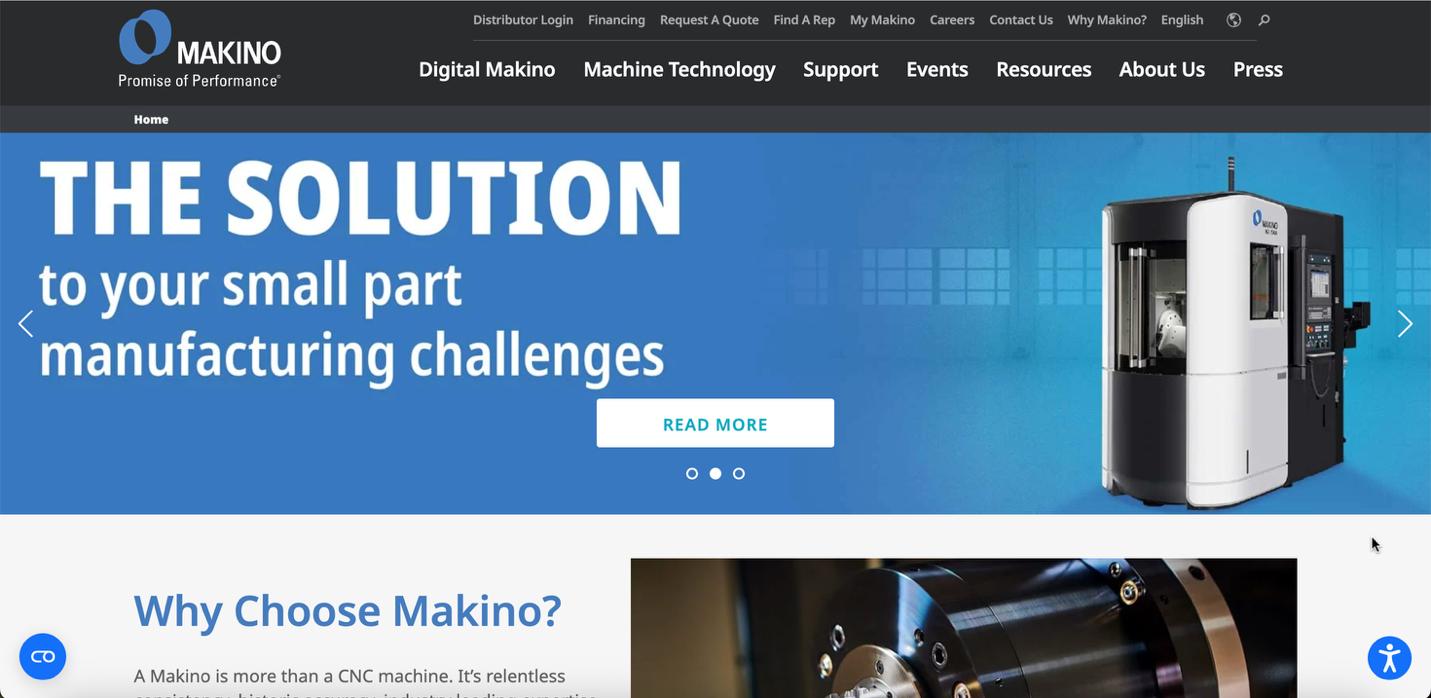
Type d'entreprise :fabricant de machines-outils CNC
Emplacement:Tokyo, Japon
Année de création :1937
Présentation du fabricant :
Makino annonce des ventes consolidées de 186,5 milliards yens (exercice clos le 31 mars 2022) et 4 524 employés consolidés (même exercice), avec un mois de mai fondation de 1937La production est ancrée dans des usines nationales à Atsugi (Kanagawa) et Fuji Katsuyama (Yamanashi), soutenues par 16 bureaux de vente au Japon et des opérations à l'étranger sur des marchés tels que les États-Unis, l'Allemagne, Singapour, la Corée, la Chine et l'Inde.
Champ d'activité :
• Centres d'usinage verticaux (séries PS et V)
• Centres d'usinage horizontaux
• Centres d'usinage 5 axes
• Machines EDM
Raison recommandée :
• Spécialisation dans le fraisage à grande vitesse et l'usinage de moules
• Empreinte de fabrication multirégionale
• Forte adoption dans les secteurs de l'aérospatiale et de la production de matrices et de moules.
Type d'entreprise :fabricant de machines-outils CNC
Emplacement:Ōguchi, Aichi, Japon
Année de création :1898
Présentation du fabricant :
Okuma rapporte 3 802 employés consolidés (Mars 2021) et son siège social est situé à Oguchi, dans la préfecture d'Aichi, au Japon. Okuma se présente comme un fournisseur unique, fabriquant la machine, la broche, les moteurs, les variateurs, les codeurs et la commande numérique OSP. L'entreprise affirme que son système d'entraînement intégré garantit une répétabilité de positionnement de l'ordre du micromètre. Son profil d'entreprise mentionne d'importantes implantations à l'étranger, notamment aux États-Unis, en Allemagne, à Singapour et sur d'autres marchés de la région Asie-Pacifique.
Champ d'activité :
• Centres d'usinage verticaux (séries MB et GENOS)
• Centres d'usinage horizontaux
• Centres de tournage
• Commandes CNC (série OSP)
Raison recommandée :
• Plus de 125 ans d'histoire dans la fabrication de machines-outils
• Développement interne de commandes CNC
• Forte présence dans les applications d'usinage à usage intensif
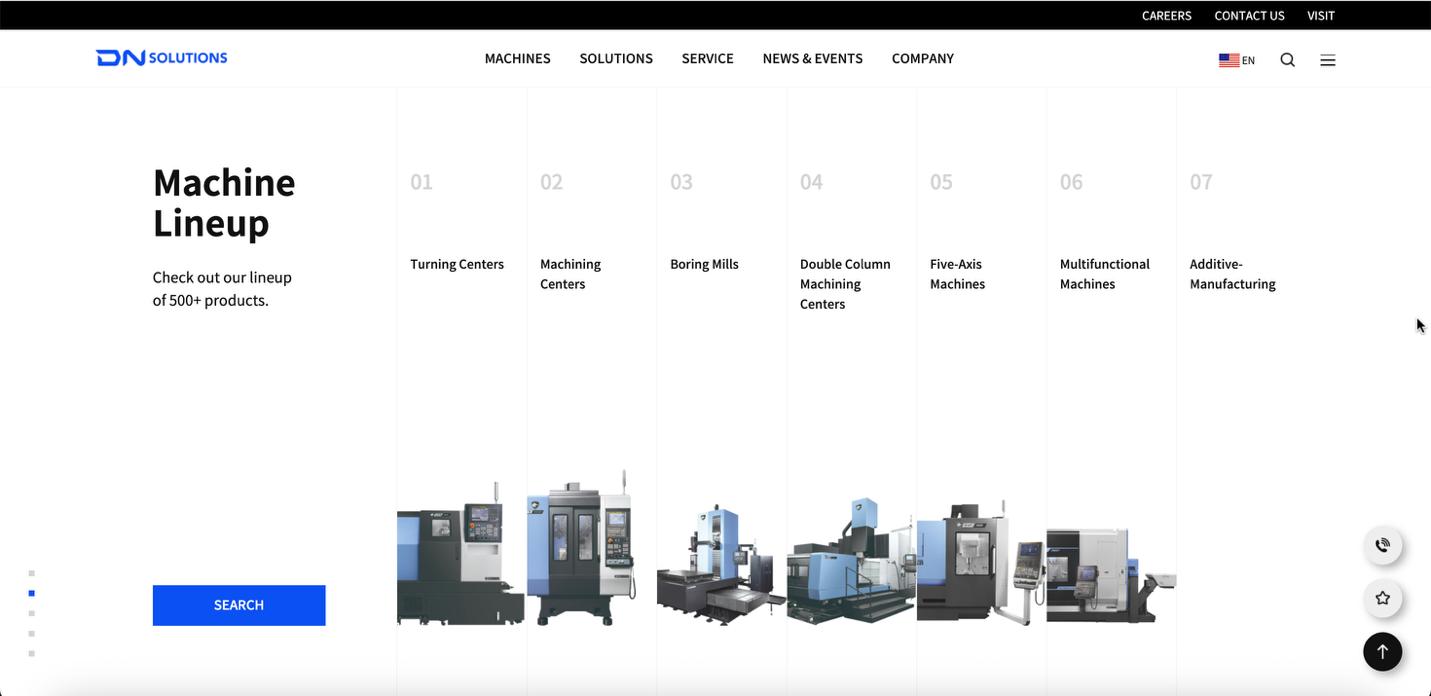
Type d'entreprise :fabricant de machines-outils CNC
Emplacement:Changwon, Corée du Sud
Année de création :1973
Présentation du fabricant :
DN Solutions mentionne publiquement ses usines de Changwon Namsan et Changwon Seongju en Corée, un bureau à Séoul et des entités régionales en Corée. États-Unis, Chine (Yantai), Allemagne et IndePour les acheteurs de centres d'usinage verticaux (VMC), cette information est un gage de diligence raisonnable concret pour la mise en service régionale, le support applicatif et la logistique des pièces détachées. L'entreprise propose également sur son site web officiel des centres d'usinage, ainsi que des programmes d'automatisation et de solutions d'usinage pour la modernisation des cellules de production.
Champ d'activité :
• Centres d'usinage verticaux (série DNM)
• Centres d'usinage horizontaux
• Centres de tournage
• Centres d'usinage multi-axes
Raison recommandée :
• Centre de production CNC à grand volume en Corée du Sud
• Exportations vers plus de 65 pays
• Forte pénétration dans les chaînes d'approvisionnement en usinage automobile
Type d'entreprise :fabricant de centres d'usinage CNC
Emplacement:Gosheim, Bade-Wurtemberg, Allemagne
Année de création :1938
Présentation du fabricant :
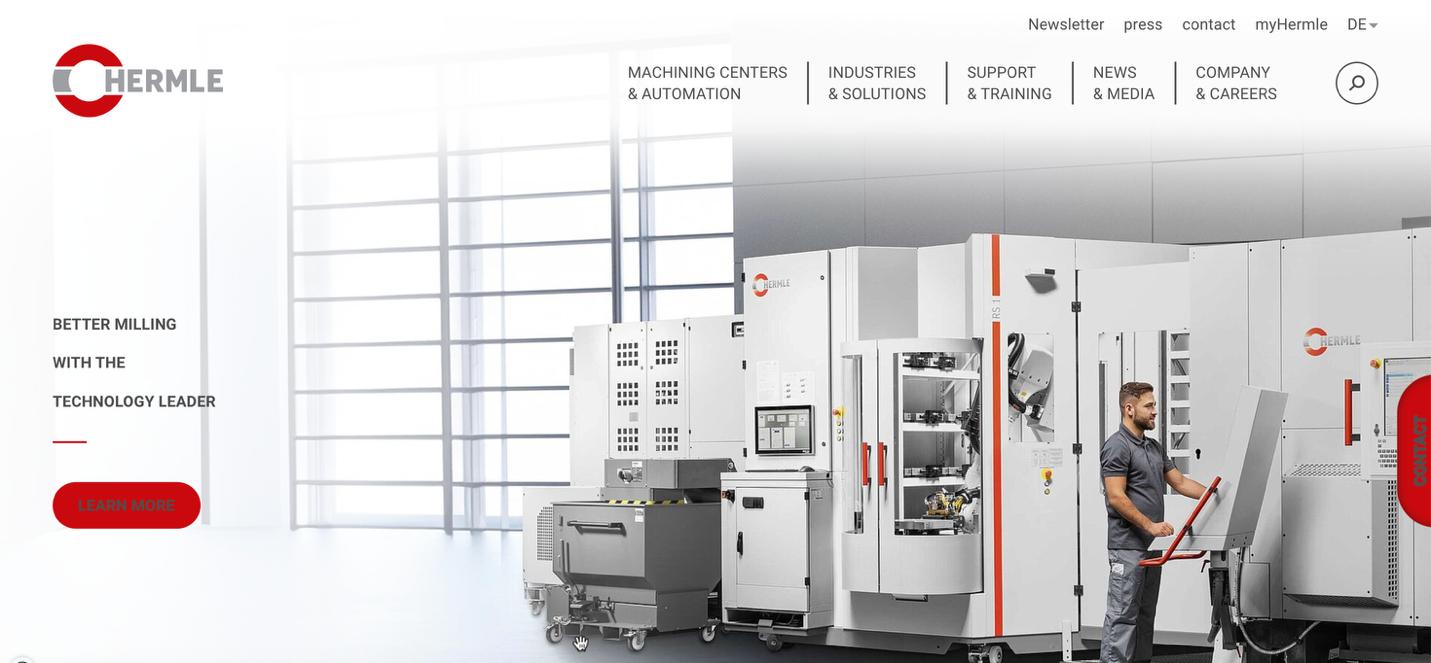
HERMLE AG se positionne comme une fabricant leader de fraiseuses CNC Spécialisée dans les centres d'usinage et les solutions d'automatisation, HERMLE affirme fabriquer ses produits en Allemagne, dans son centre de technologie d'usinage de Gosheim. Ses rapports d'application publiés mettent l'accent sur l'usinage automatisé pour la fabrication d'outils et la production de prototypes en série. Pour l'approvisionnement en centres d'usinage verticaux (VMC) 5 axes, ce modèle de fabrication, associé à une approche privilégiant l'automatisation, est pertinent lorsque l'objectif est une production répétable sans surveillance.
Champ d'activité :
• Centres d'usinage verticaux
• Centres d'usinage 5 axes
• Solutions d'automatisation (systèmes RS, HS, PH)
Raison recommandée :
• Spécialisation pointue dans les plateformes VMC et 5 axes de haute précision
• Production allemande avec qualité de production contrôlée
• Forte adoption dans les industries critiques en matière de tolérance.
Type d'entreprise :fabricant de machines-outils CNC
Emplacement:Changwon, Corée du Sud
Année de création :1976
Présentation du fabricant :
WIA MACHINETOOLS (HYUNDAI WIA) classe ses centres d'usinage verticaux par cas d'utilisation.taraudage, découpe à grande vitesse et à forte intensité, usinage de moules et usinage 5 axesOutre le tournage, l'usinage horizontal, les systèmes d'automatisation et les logiciels, HYUNDAI WIA décrit son centre technique de Changwon comme un pôle majeur de services pour machines-outils, doté d'un hall d'exposition permanent, d'un centre de formation à commande numérique et d'un centre d'assistance téléphonique ouvert 24h/24. Ses installations comprennent des services de formation et d'exposition en commande numérique.
Champ d'activité :
• Centres d'usinage verticaux
• Centres d'usinage horizontaux
• Centres de tournage
• Machines de production automobile
Raison recommandée :
• Lien étroit avec les chaînes d'approvisionnement de la fabrication automobile
• Capacité de production industrielle à grande échelle
• Positionnement concurrentiel sur le marché des centres d'usinage verticaux (VMC) robustes et orientés production
Type d'entreprise :fabricant de machines-outils CNC
Emplacement:Shenyang, Liaoning, Chine
Année de création :1938
Présentation du fabricant :
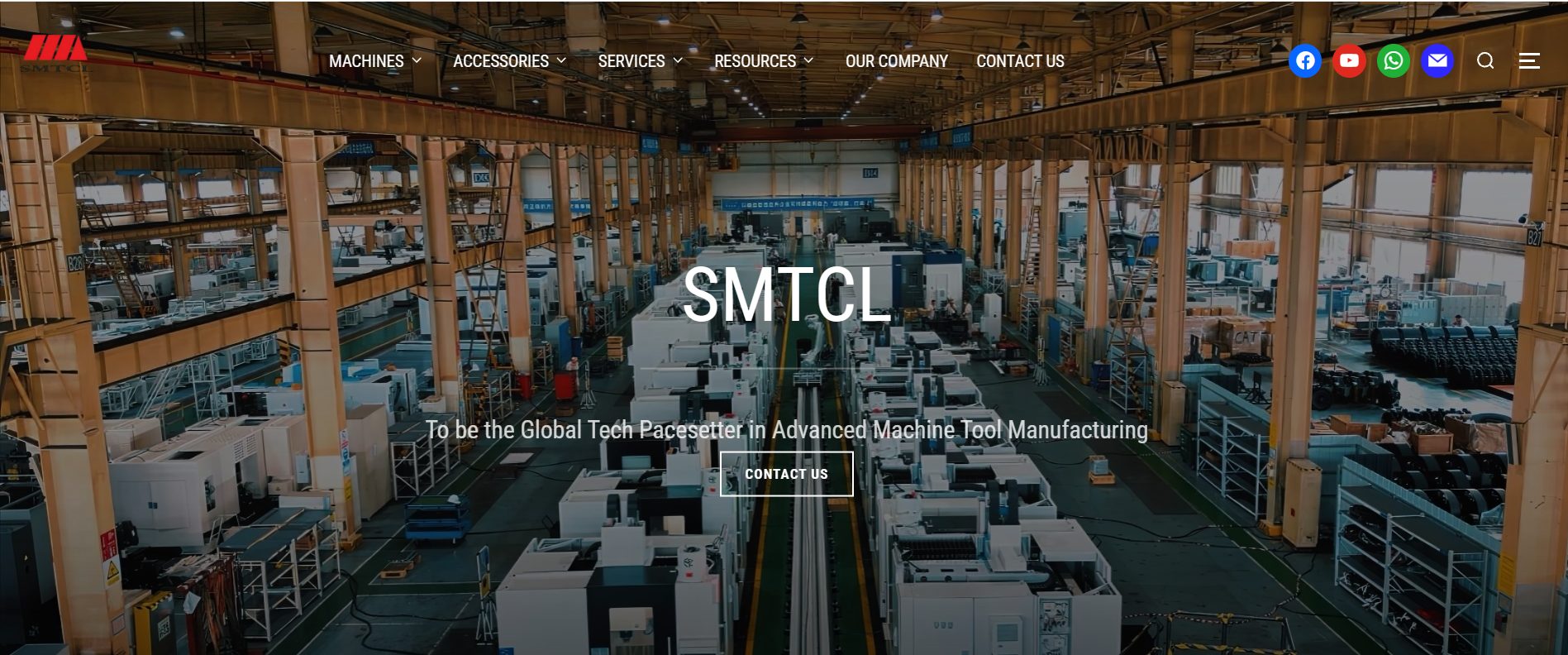
SMTCL indique qu'elle opère dans la zone de développement économique et technologique de Shenyang depuis environ 1 million de m² avec 2 853 employés Elle mentionne les centres d'usinage verticaux dans une gamme plus large de machines-outils et affirme avoir fourni plus d'un million de machines-outils dans le monde entier, des indicateurs utiles de sa capacité et de la maturité de sa base installée pour l'approvisionnement en centres d'usinage verticaux.
Champ d'activité :
• Centres d'usinage verticaux
• Centres d'usinage horizontaux
• Tours CNC
• Machines-outils CNC robustes
Raison recommandée :
• Longue expérience opérationnelle dans la fabrication de machines-outils lourdes
• Forte pénétration du marché intérieur en Chine
• Positionnement concurrentiel pour les machines grand format et industrielles
Qu’est-ce qui différencie un fabricant spécialisé de centres d’usinage verticaux (VMC) d’un fournisseur général de machines-outils à commande numérique (CNC) ?
Un fabricant spécialisé de centres d'usinage verticaux (VMC) propose généralement une gamme de plateformes plus étendue (plusieurs séries, des packs d'options, des interfaces d'automatisation) et dispose d'une base installée plus importante. En pratique, cela se traduit par une meilleure continuité des modèles, une plus grande compatibilité des pièces détachées entre les séries et un réglage plus précis pour les opérations d'usinage intensives.
Pourquoi le volume de production est-il important lors de la comparaison des fabricants de centres d'usinage verticaux (VMC) ?
Une production plus élevée est généralement corrélée à un assemblage standardisé, à un contrôle qualité reproductible et à un approvisionnement stable en pièces détachées, car le fournisseur gère une large base installée. Cela réduit également le risque d'approvisionnement pour les achats répétés : même modèle, mêmes performances, mêmes pièces de rechange.
Comment la présence mondiale d'un fabricant influence-t-elle le risque commercial pour les acheteurs ?
Cela réduit les risques d'indisponibilité en optimisant les itinéraires d'intervention et la logistique des pièces détachées. Les principaux indicateurs sont : le nombre de points de service, les pays couverts et la disponibilité des pièces détachées au niveau régional (et non uniquement expédiées depuis le siège social).
Comment les acheteurs doivent-ils évaluer la capacité d'un fabricant à assurer un service après-vente de qualité ?
Vérifiez les éléments suivants : couverture du service après-vente local, conditions de garantie écrites, disponibilité des pièces détachées au niveau régional, disponibilité des formations et de la mise en service, et procédure d’escalade définie. Si un fournisseur ne peut préciser les délais de réponse ni les canaux d’approvisionnement en pièces détachées, le support dépend généralement du revendeur.
Les fabricants de centres d'usinage verticaux (VMC) axés sur l'exportation sont-ils commercialement fiables pour un approvisionnement à long terme ?
Ces entreprises sont fiables lorsqu'elles présentent une couverture export constante, des plateformes de modèles stables et une structure de service/distribution bien établie. Le risque augmente lorsque les modèles changent fréquemment ou lorsque le support des pièces détachées est centralisé avec un stock régional limité.
Pourquoi le choix du fabricant est-il plus important que les spécifications individuelles de la machine ?
Les performances tout au long du cycle de vie dépendent de la cohérence de la fabrication, de la conservation de la géométrie, des mises à jour des systèmes de contrôle et de la continuité du service après-vente et de la disponibilité des pièces détachées — des aspects qui relèvent du fabricant, et non des spécifications techniques. Ces dernières ne vous protègent pas des temps d'arrêt ni des retards de livraison de pièces.
Comment les fabricants chinois de cette liste se comparent-ils aux marques japonaises et allemandes ?
Les fabricants chinois mettent généralement l'accent sur le rapport coût/capacité et la disponibilité de la production pour l'usinage standard. Les marques japonaises et allemandes se distinguent généralement par la stabilité de la précision à long terme, la constance des processus et leurs écosystèmes d'automatisation avancés. En pratique, le facteur de différenciation réside dans vos exigences en matière de tolérance et de finition, ainsi que dans la couverture du service après-vente disponible localement.
Choisir le bon fabricant de centres d'usinage verticaux La fiabilité des machines, la continuité de service et les coûts d'exploitation à long terme sont des facteurs déterminants. Ce guide compare les fournisseurs selon des critères objectifs tels que l'échelle de production, la spécialisation des produits et la présence internationale, afin d'aider les acheteurs à sélectionner efficacement les fournisseurs.
Dans ce contexte, CNCYangsen se distingue par sa capacité de production moderne, sa gamme complète de centres d'usinage verticaux et son modèle d'approvisionnement axé sur l'exportation, ce qui en fait une option pratique pour les fabricants à la recherche de machines fiables et d'un support accessible.